
Bread-making shops
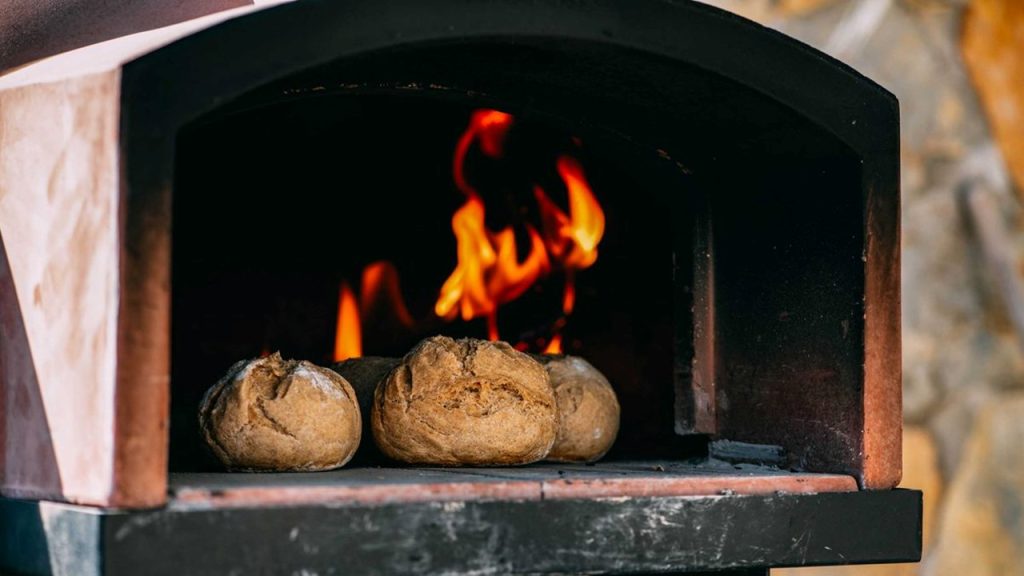
Bakeries are more than just establishments where bread is made; they are vibrant centers of culinary artistry, community connection, and cultural tradition. These delightful shops are where the magical transformation of simple ingredients—flour, water, yeast, and salt—takes place, producing a wide array of baked goods that nourish, comfort, and delight people around the world. This essay explores the rich world of bakeries, their history, the variety of products they offer, their role in society, and the skill and creativity involved in their operation.
A Historical Perspective
The history of bakeries dates back thousands of years, intertwined with the development of agriculture and the domestication of grains. Ancient civilizations, such as the Egyptians, Greeks, and Romans, were among the first to cultivate grains and develop rudimentary methods of baking. Early bakeries were often communal ovens where neighbors brought their dough to be baked.
In medieval Europe, bakeries became specialized trades, and guilds were established to regulate the craft. Over time, baking evolved into an art form, with master bakers passing down techniques and recipes through generations. By the 19th and 20th centuries, advancements in technology, such as mechanized mixers and ovens, revolutionized the industry, making bakery products more accessible and diverse.
The Array of Products
Modern bakeries are a testament to the diversity of baked goods that cater to various tastes and traditions. While bread remains the cornerstone of most bakeries, the range of products is vast:
- Bread: Bakeries produce an astonishing variety of bread, from rustic sourdough loaves and crusty baguettes to soft sandwich bread and sweet brioche. Regional specialties, such as Italian ciabatta, Indian naan, or German pumpernickel, highlight the cultural significance of bread.
- Pastries: Flaky croissants, buttery Danish pastries, and delicate puff pastry creations are staples in many bakeries. These treats often feature fillings like chocolate, custard, fruit preserves, or nuts, adding layers of flavor and texture.
- Cakes and Cupcakes: Bakeries are famous for their celebration-worthy cakes and cupcakes. From simple sponge cakes to elaborate tiered wedding cakes, these creations often showcase stunning decorations, intricate piping, and personalized touches.
- Cookies and Biscuits: From classic chocolate chip cookies to delicate macarons, bakeries offer a delightful array of small, sweet treats.
- Savory Items: Many bakeries also offer savory baked goods, such as meat pies, quiches, and savory pastries, catering to those who prefer a less sweet option.
- Specialty and Artisan Products: Artisan bakeries pride themselves on handcrafted goods made with high-quality, often locally sourced ingredients. These include gluten-free, vegan, and organic options, as well as traditional recipes passed down through generations.
The Art and Science of Baking
Baking is a harmonious blend of art and science. It requires precision, creativity, and a deep understanding of ingredients and techniques. Bakers are skilled artisans who carefully measure, mix, knead, and bake to achieve the desired results. They rely on their senses to assess dough texture, fermentation, and baking progress, adjusting variables as needed.
The science of baking is equally important. Chemical reactions, such as yeast fermentation and Maillard browning, play crucial roles in the flavor, texture, and appearance of baked goods. Successful bakers combine scientific knowledge with artistic intuition to create products that are both beautiful and delicious.
The Role of Bakeries in Society
Bakeries hold a special place in communities worldwide. They are often more than just shops; they are gathering places where people connect over shared meals and experiences. The smell of freshly baked bread wafting through the air is universally comforting, drawing people in and creating a sense of warmth and nostalgia.
In addition to their social role, bakeries contribute significantly to local economies by supporting farmers, millers, and other suppliers. They also provide employment opportunities for bakers, decorators, salespeople, and delivery drivers.
Bakeries in Modern Times
The bakery industry continues to evolve, adapting to changing consumer preferences and technological advancements. Trends such as health-conscious eating, sustainability, and convenience have shaped the modern bakery landscape. For example:
- Health and Wellness: Many bakeries now offer products tailored to specific dietary needs, such as gluten-free, low-sugar, or keto-friendly options. Artisan and whole-grain breads have also gained popularity due to their perceived health benefits.
- Sustainability: Environmentally conscious bakeries focus on reducing waste, sourcing sustainable ingredients, and using eco-friendly packaging.
- Technology: Online ordering, delivery services, and digital marketing have become integral to the success of many bakeries, enabling them to reach a broader audience.
- Customization: Personalization is another growing trend, with bakeries offering custom designs, flavors, and themes to cater to individual preferences.
Bakeries are an integral part of our lives, offering not just sustenance but also joy, creativity, and a connection to tradition. Whether it’s a loaf of bread fresh out of the oven, a meticulously crafted pastry, or a celebratory cake, the products of bakeries enrich our daily lives and mark our special occasions. Behind every bakery is a team of dedicated artisans who bring skill, passion, and heart to their craft. In a world that often moves too quickly, bakeries remind us of the simple pleasures of life, one delicious bite at a time.

Benzer Konular

13, 14, 15, 16, 17, 18, 19, ve 20, ardışık doğal sayılardır ve matematiksel açıdan birçok ilgi çekici özelliğe sahiptirler. Bu sayılardan bazıları asal sayılar, bazıları ise karmaşık faktörlere sahip olabilir. 13 asal bir sayıdır, yani yalnızca 1 ve kendisiyle tam bölünebilir. Pek çok kültürde uğursuzlukla ilişkilendirilse de, bazı toplumlarda...

Kağıt yaprağının iki yüzünden her biri, üzerine yazı yazılan ya da basılan bir yaprak kâğıdın iki yüzünden her biri ya da gazete, dergi gibi basılı şeylerde özel bir konu, alan için ayrılmış bölüme sayfa denir. Bir kâğıt yaprağı, fiziksel olarak bir nesnedir ve bu nesnenin ön ve arka yüzü vardır....

Sıvıların, üzerlerine uygulanan basıncı her yöne aynen iletmesi Pascal Prensibi olarak bilinir. Bu prensip, Fransız bilim adamı Blaise Pascal tarafından 17. yüzyılda keşfedilmiştir. Pascal Prensibi’ni şu şekilde özetleyebiliriz: Pascal Prensibi’nin günlük hayatta birçok uygulaması vardır. Bunlardan bazıları şunlardır: Pascal Prensibi, fizik ve mühendislikte önemli bir prensiptir. Sıvıların davranışını anlamanın ve...

Beslenme, sağlıklı yaşam için temel bir ihtiyaçtır. İnsan vücudu, büyüme, gelişme, enerji sağlama ve hastalıklara karşı korunma için gerekli olan besinleri doğru şekilde almalıdır. Ancak günümüz hızlı yaşam tarzı, dengesiz beslenme alışkanlıklarını beraberinde getirebilmektedir. Fikirler: Bu adımlar, toplumun genel sağlık seviyesini yükseltmeye ve beslenme alışkanlıklarını iyileştirmeye yardımcı olabilir.

Modul 4 (Modül 4) Tägliches LebenOkunuşu: Teglihes LeybınTürkçesi: Günlük yaşam 4. Lesen Sie den Dialog und ergänzen Sie die Sätze mit den passenden Verben.Okunuşu: Lezen zi den diyalog unt ergentsın zi di zetse mit den pasındın ferbenTürkçesi: Diyaloğu okuyun ve cümleleri uygun fiillerle tamamlayın. ankommen | aufstehen | anrufen |...

Bir aile üyesi denildiğinde, aynı soy bağına, akrabalık ilişkisine ya da aynı aile yapısı içinde yer alan kişilere işaret eden kelimeler düşünülür. Bu tür ifadeler, hem çekirdek ailede bulunan kişileri hem de geniş aile içinde önemli yeri olan akrabaları kapsar. Günlük yaşamda en sık kullanılan insan ilişkileri arasında aile bağları...
Bir Yorum Yazın
Ziyaretçi Yorumları - 0 Yorum