
Name something that a person might think they are too good for

People sometimes decide that certain jobs, activities, relationships, foods, or responsibilities are somehow beneath them. That attitude can come from pride, social status, money, education, family background, personal expectations, or simply the desire to appear more important than others. In reality, whether something is “too good” or “not good enough” is highly subjective, and people can easily confuse personal preference with social superiority.
Name something that a person might think they are too good for can bring to mind situations in which someone believes their status, education, appearance, income, or lifestyle places them above an ordinary responsibility or choice, and especially
JOB
ANOTHER PERSON
CLEANING
CLOTHES
FAST FOOD
GIRL FRIEND
MANUAL LABOR
HOUSEWORK
are strong answers because someone may believe a particular job is beneath their qualifications, feel socially superior to another person, refuse to clean because they expect somebody else to do it, reject certain clothes because they consider them cheap or unfashionable, avoid fast food because they associate it with a lower-status lifestyle, think they deserve a more impressive GIRL FRIEND, look down on manual labor despite its importance, or believe housework should always be handled by someone else.
Other Things Someone Might Think They Are Too Good For
- PUBLIC TRANSPORTATION (Someone may believe buses or trains do not match the lifestyle they want to project.)
- CHEAP RESTAURANTS (A person might insist on expensive dining because ordinary restaurants feel beneath them.)
- ENTRY-LEVEL WORK (Someone may expect to begin immediately in a senior position.)
- WAITING IN LINE (A person with a strong sense of entitlement may believe they deserve special treatment.)
- DISCOUNT STORES (Some people may avoid them because they associate price with status.)
- OLD CARS (Someone may believe driving an older vehicle damages their image.)
- SMALL APARTMENTS (A person may reject a perfectly practical home because it does not seem prestigious enough.)
- BASIC CHORES (Tasks such as taking out the trash or washing dishes may be viewed as beneath them.)
- ECONOMY CLASS (Some travelers may act as though standard seating is unacceptable for them.)
- USED ITEMS (Someone may refuse secondhand clothes, furniture, or electronics simply because they are not new.)
- CERTAIN FRIENDS (A person may distance themselves from people they believe do not improve their social image.)
- APOLOGIZING (Pride can make someone behave as though saying sorry is beneath them.)
- ASKING FOR HELP (A person may think needing assistance makes them look weak.)
- CUSTOMER SERVICE WORK (Someone may unfairly look down on service jobs because of social stereotypes.)
- COOKING (A person may insist that preparing their own meals is something other people should do.)
A Job Can Feel Beneath Someone’s Expectations
JOB is one of the strongest answers because people often connect employment with status. Someone with a university degree, years of experience, or high expectations may reject certain positions because they believe the work is below their qualifications. In some cases, that can be reasonable if the job genuinely does not match their skills or career goals.
The problem begins when the person treats the work itself or the people doing it as inferior. There is an important difference between saying “This job is not right for my career” and saying “I am too good to do this.” Almost every job contributes something useful, and people performing lower-paid or less prestigious work still deserve respect.
Another Person Can Be Judged Through Social Status
ANOTHER PERSON can fit when someone thinks another individual is not attractive enough, wealthy enough, educated enough, fashionable enough, or socially important enough to deserve their attention. This attitude can appear in friendships, dating, work environments, and even family relationships.
People naturally choose whom they want to spend time with, but thinking someone is “beneath” you is different from simply not feeling compatible. Treating people according to status rather than character can create arrogance and damage relationships.
Cleaning Is Sometimes Treated As Someone Else’s Responsibility
CLEANING is a classic example because certain people may believe that once they reach a particular level of wealth or status, cleaning is something they should never have to do themselves. Hiring someone to clean is perfectly normal when a person wants or needs that service, but the attitude behind it makes the difference.
Someone may say, “I do not have time to clean,” which is practical, or they may say, “People like me do not clean,” which suggests superiority. Basic cleanliness remains an ordinary part of life regardless of income or professional status.
Clothes Can Become A Symbol Of Status
CLOTHES can easily become something a person thinks they are too good for. Someone may refuse inexpensive brands, secondhand clothing, simple outfits, or anything without a recognizable designer logo because they believe clothing communicates social rank.
Of course, people are free to prefer certain styles or higher-quality materials. The attitude becomes different when someone looks down on others because their clothes are cheaper or less fashionable. Price and brand do not automatically determine taste, comfort, or quality.
Fast Food Can Be Looked Down On As A Lifestyle Choice
FAST FOOD is another common answer because food preferences can become tied to social image. Someone may say they would never eat at a certain fast-food restaurant because they consider it too cheap, unhealthy, ordinary, or inconsistent with the lifestyle they want to display.
There are plenty of legitimate reasons to limit fast food, including nutrition, personal taste, or dietary goals. Thinking you are “too good” for it, however, is more about status than health. Ironically, people from almost every income level eat fast food occasionally.
Girl Friend Can Become Part Of A Status Image
GIRL FRIEND is preserved exactly as provided and can fit this question when someone believes they deserve a partner who is more attractive, wealthier, more fashionable, or more socially impressive. Instead of evaluating the relationship through affection, trust, compatibility, and respect, the person may treat a partner almost like a status symbol.
This attitude can be damaging because relationships work best when both people are valued as individuals rather than used to improve someone’s image. Believing you are “too good” for a partner because of appearance, income, education, or social background can reveal more about personal ego than relationship quality.
Manual Labor Is Sometimes Unfairly Looked Down On
MANUAL LABOR is one of the clearest examples of something that may be unfairly treated as beneath a person. Construction, maintenance, farming, repair work, moving, landscaping, cleaning, manufacturing, and countless other forms of physical labor keep everyday life functioning.
Some people associate office work with higher status and physical work with lower status, but that stereotype ignores the skill required in many trades. Electricians, plumbers, mechanics, builders, technicians, and other workers may need years of training and experience. Manual work can be demanding, skilled, essential, and well paid.
Housework Can Become A Question Of Ego
HOUSEWORK overlaps with cleaning but covers a much broader range of responsibilities, including laundry, dishes, cooking, tidying, grocery organization, taking out trash, and maintaining the home. Someone may behave as though these tasks are automatically somebody else’s responsibility.
In shared households, this attitude can create resentment quickly. A person may have a demanding career and still need to contribute fairly at home. The exact division of responsibilities can vary, but believing housework is beneath you simply because of status can make ordinary household cooperation difficult.
Education Can Make Some People Feel Superior
One common reason someone thinks they are too good for a JOB, ANOTHER PERSON, or MANUAL LABOR is education. Degrees and professional qualifications can create genuine opportunities, but they can also become part of someone’s identity in an unhealthy way.
A highly educated person may begin believing that anyone without the same qualifications is less intelligent or less valuable. Education can expand knowledge, but it does not automatically create good judgment, kindness, practical skill, or humility.
Money Can Turn Preferences Into Status Statements
Money allows people more choices, but those choices can sometimes become social signals. Someone who can afford expensive CLOTHES, restaurants, cars, and services may begin treating ordinary alternatives as unacceptable.
The important difference is between preference and contempt. Preferring an expensive restaurant is one thing; mocking people who enjoy FAST FOOD is another. Wealth changes what someone can buy, but it does not make ordinary activities beneath them.
Social Media Can Intensify This Attitude
Social media makes it easy to compare lifestyles. People constantly see luxury vacations, expensive fashion, impressive careers, beautiful homes, and carefully selected relationships, which can create unrealistic expectations about what kind of life they “deserve.”
As a result, someone may start thinking an ordinary JOB, inexpensive CLOTHES, a modest home, or a normal relationship is not good enough. The problem is that social media often displays highlights rather than complete financial or personal reality.
Entry-Level Jobs Can Feel Insulting To Someone With Big Expectations
A person graduating from school may expect a prestigious title immediately and feel insulted when offered entry-level work. Ambition itself is not a problem; wanting to advance quickly can be positive.
However, many careers require learning basic responsibilities before moving into leadership. Thinking you are automatically too good for every beginner position can prevent you from gaining experience that would actually help you reach the higher position you want.
Manual Labor Requires Skills People Often Underestimate
One reason MANUAL LABOR gets unfairly dismissed is that people sometimes assume physical work requires less intelligence or training. In reality, many trades involve mathematics, technical knowledge, safety procedures, problem-solving, precision, and extensive practical experience.
Someone who has never repaired electrical wiring, installed plumbing, built a structure, operated heavy machinery, or diagnosed mechanical problems may underestimate how difficult those jobs actually are.
Cleaning Is Easier To Disrespect Than To Do Well
CLEANING looks simple until someone has to clean a large home, commercial building, hotel, restaurant, hospital, or office professionally. Efficient cleaning requires organization, physical stamina, knowledge of products, attention to detail, and consistency.
People often notice cleaning only when it has not been done properly. That alone shows how important the work is. Looking down on people who perform it ignores the fact that nearly every workplace and public space depends on them.
Fast Food Is Not A Reliable Measure Of Social Class
Eating FAST FOOD does not tell you how wealthy, educated, or successful someone is. People choose food for convenience, habit, taste, price, time, location, or simple enjoyment.
A person eating a burger might be wealthy, while someone eating at an expensive restaurant could be deeply in debt. Food choices are poor tools for determining social status.
Clothes Do Not Tell The Full Story About Wealth
The same principle applies to CLOTHES. A person wearing expensive designer brands may have little savings, while someone wearing a basic shirt and old jeans may be financially secure.
Some wealthy people enjoy luxury fashion, while others have little interest in it. Assuming that inexpensive clothing makes someone less successful can therefore be extremely misleading.
Thinking You Are Too Good For Another Person Can Damage Relationships
When someone sees relationships as a hierarchy, they may constantly compare their partner or friends with other people. They may wonder whether someone wealthier, more attractive, or more influential would make them look better.
This can prevent genuine connection. A healthy relationship depends far more on compatibility, loyalty, communication, kindness, attraction, and shared values than on whether other people are impressed by the couple.
Housework Often Reveals Attitudes About Fairness
HOUSEWORK may seem like a small issue, but it can reveal how someone thinks about responsibility. If one person believes every unpleasant task belongs to somebody else, conflict is almost inevitable.
Shared responsibilities do not necessarily need to be divided equally in every household, but they should usually be discussed fairly. Someone can contribute through different tasks without treating basic domestic work as beneath them.
Waiting In Line Can Reveal A Sense Of Entitlement
Another thing some people think they are too good for is WAITING IN LINE. They may expect special access, priority treatment, or exceptions to rules simply because they consider themselves important.
This attitude can appear in airports, restaurants, stores, events, or offices. Unless a legitimate priority system exists, everyone waiting has the same claim to fair treatment.
Public Transportation Can Become A Status Symbol In Reverse
Some people act as if using PUBLIC TRANSPORTATION means they have failed financially. They may insist on driving or using expensive private transportation even when a bus or train would be cheaper and faster.
In many major cities, however, people across every income level use public transportation because it is practical. A subway seat does not know the passenger’s salary.
Cheap Restaurants Can Still Serve Excellent Food
Someone may think they are too good for CHEAP RESTAURANTS, assuming price automatically determines quality. Yet some of the most memorable meals can come from small family restaurants, street vendors, diners, or inexpensive local businesses.
Luxury dining can be enjoyable, but expensive does not always mean better. Taste, service, atmosphere, ingredients, and personal preference matter more than prestige alone.
Used Items Can Be Practical Rather Than Embarrassing
Some people refuse USED ITEMS because they believe secondhand products lower their social image. Yet buying used furniture, cars, books, clothing, or electronics can be financially sensible and sometimes environmentally preferable.
The value of an object does not disappear simply because someone else owned it first. In some categories, used or vintage items may even be more desirable than new ones.
Old Cars Can Still Be Reliable
A person may feel too good for an OLD CAR because vehicles are often used as status symbols. A newer or more expensive car may communicate wealth more visibly than many other purchases.
But an older car that is safe, reliable, and paid for can be financially smarter than replacing it solely for appearance. Status and practical value are not always the same thing.
Apologizing Is Something Proud People May Think Is Beneath Them
APOLOGIZING is not a physical task or material object, but it fits the same attitude surprisingly well. Some people behave as though admitting a mistake would lower their status.
In reality, being able to apologize sincerely often shows confidence rather than weakness. People who refuse to say sorry may protect their pride temporarily while damaging trust permanently.
Asking For Help Can Feel Like A Loss Of Status
Someone who strongly values independence may think they are too good for ASKING FOR HELP. They may struggle privately rather than admit they do not know something.
This can happen at work, in school, in relationships, or with practical tasks. Asking an appropriate person for assistance can actually save time and prevent mistakes. Nobody knows how to do everything.
Customer Service Work Deserves Respect
CUSTOMER SERVICE WORK is sometimes treated as low status, even though employees regularly deal with difficult situations requiring patience, communication, organization, and emotional control.
Someone who believes they are too good for service work may underestimate how challenging it is. Respecting the people who serve food, answer phones, clean spaces, deliver packages, operate stores, and assist customers is basic courtesy.
Cooking Can Become Another Outsourced Responsibility
Some people may think they are too good for COOKING, especially if they are accustomed to restaurants, meal delivery, household staff, or another family member preparing meals.
There is nothing wrong with outsourcing cooking when affordable and convenient. But basic cooking remains a useful life skill, and knowing how to prepare simple food can provide independence when circumstances change.
Status Anxiety Can Be Behind The “Too Good For It” Attitude
Sometimes arrogance is actually insecurity expressed differently. A person may worry intensely about how others see them and therefore avoid anything they believe could make them look ordinary.
They may reject inexpensive CLOTHES, refuse FAST FOOD, dislike an ordinary JOB, or avoid certain people because they fear being judged by association. The result can look like confidence even though it may be driven by status anxiety.
Preference And Superiority Are Not The Same Thing
It is important to distinguish “I do not want this” from “I am too good for this.” Someone may dislike cleaning, prefer expensive clothes, avoid fast food, or seek a different career without believing other people are inferior for making different choices.
The issue is not having standards. The issue is turning personal standards into a hierarchy of human worth. People can choose what fits their lives without disrespecting those who choose differently.
Sometimes Someone Really Is Overqualified For A Job
The phrase “too good for a JOB” can occasionally describe a real mismatch, although “overqualified” is usually a better term. A person with advanced experience may be applying for a position that would not use their skills or provide appropriate growth.
That still does not mean the job itself is beneath them. It simply means the role may not match their qualifications, compensation needs, or long-term career plans.
Being Successful Does Not Remove Ordinary Responsibilities
A person can have a prestigious career and still wash dishes, take out the trash, clean a room, cook dinner, or carry something heavy. Success does not magically eliminate everyday responsibilities unless someone chooses and can afford to delegate them.
Even then, treating the people doing those tasks respectfully matters. Paying someone to perform CLEANING, HOUSEWORK, or MANUAL LABOR does not make their work less valuable.
People Often Respect Humility More Than Status
Someone who is clearly successful but treats every person respectfully can make a much stronger impression than someone constantly announcing what they are too good to do.
Humility does not mean pretending accomplishments do not matter. It means recognizing that professional title, income, clothing, education, or social status does not make someone’s basic dignity greater than somebody else’s.

Benzer Konular

South America is commonly listed with twelve sovereign nations when territories and dependencies are excluded. This means that places such as French Guiana, the Falkland Islands and South Georgia and the South Sandwich Islands are not counted as sovereign nations in this answer, because they are territories or dependencies rather...

A pig’s “oink oink” can be heard as a simple sound, but in a playful interpretation it becomes a kind of request that fits common animal needs like eating, hydrating, seeking comfort, or wanting attention from others in its space. Because pigs use vocalizations to signal hunger, interest, stress, excitement,...
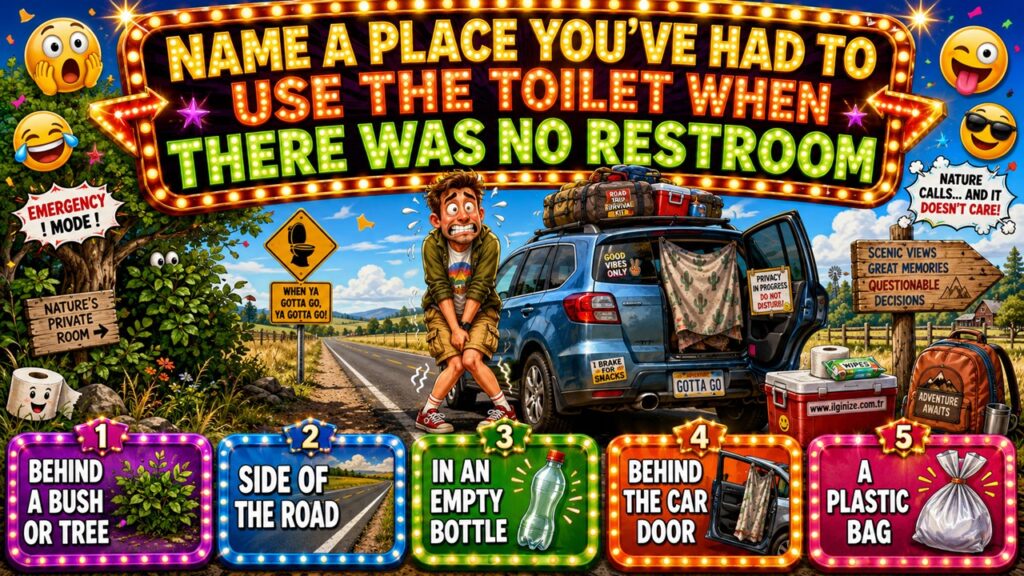
Sometimes people find themselves in an awkward emergency where there is no restroom nearby, especially during long road trips, camping, hiking, outdoor events, traffic jams, or remote travel. In those moments, the only options may be strange, uncomfortable, embarrassing, or very improvised. People usually try to find privacy, avoid being...
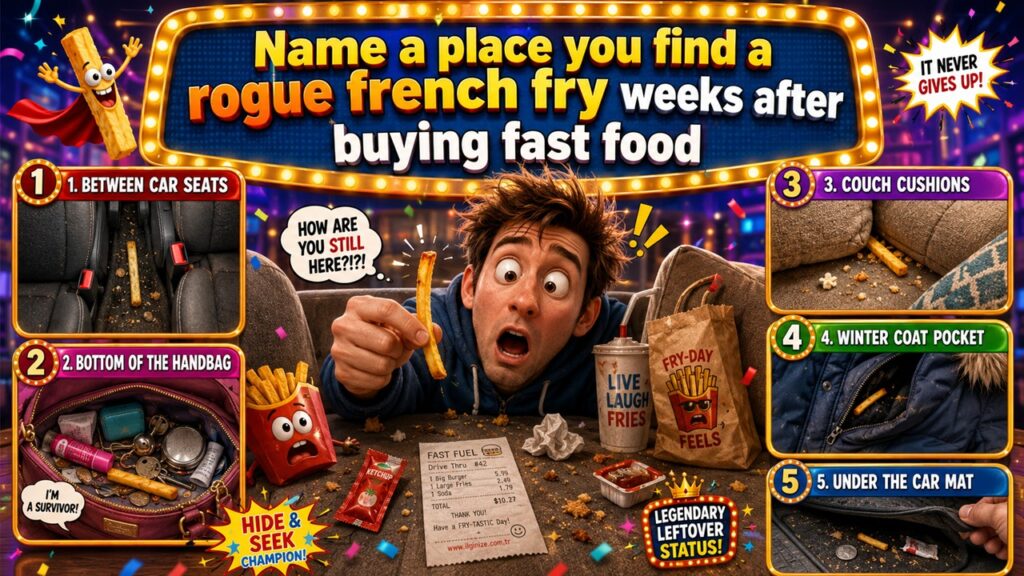
Fast food has a funny way of leaving evidence behind long after the meal is finished, especially when fries are eaten in the car, on the couch, during a rushed lunch, or while carrying bags, drinks, napkins, and wrappers all at once. A single rogue french fry can slip out...
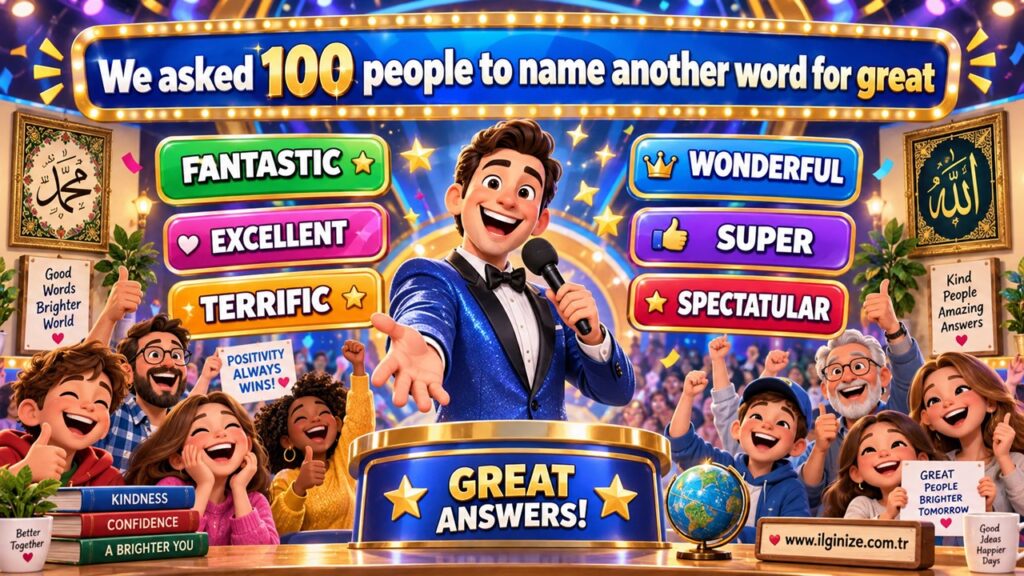
When someone describes a person, experience, performance, idea, or result as “great,” there are many familiar words that can express the same positive feeling. In a Popular Words or survey-style question, the strongest answers are usually common adjectives people use naturally when they want to say that something is especially...

Some jobs are generally associated with fewer immediate physical hazards than occupations involving heavy machinery, construction sites, dangerous chemicals, extreme temperatures, heights, or high-speed vehicles. Office, administrative, educational, retail, and writing-based roles may therefore come to mind when someone asks about jobs with relatively low occupational risk. However, no occupation...
Bir Yorum Yazın
Ziyaretçi Yorumları - 0 Yorum