
Name one type of substance that is taken into a root hair cell using active transport.
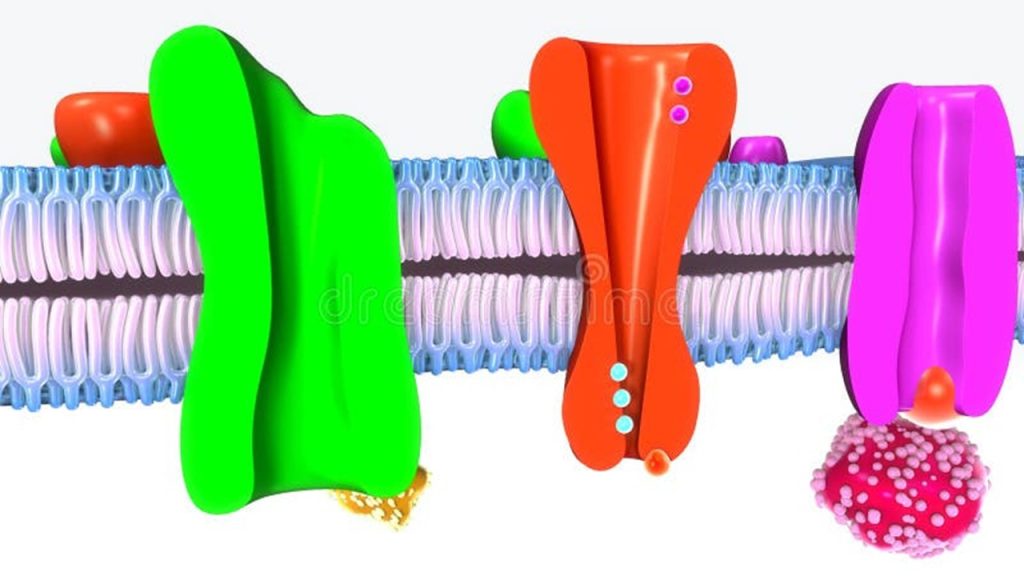
Active transport is a crucial process in cells, particularly in root hair cells, where it is essential for the uptake of various substances from the soil into the plant. One of the substances that root hair cells take in via active transport is mineral ions, such as nitrate ions (NO₃⁻). In this explanation, I will explore the concept of active transport, its significance in plant biology, and how nitrate ions are absorbed into root hair cells through this mechanism.
What is Active Transport?
Active transport is a process by which cells move substances across their membranes against a concentration gradient, from an area of low concentration to an area of high concentration. This is in contrast to passive transport, which moves substances from high to low concentration without requiring energy. Active transport requires energy in the form of adenosine triphosphate (ATP) because it is moving substances against the natural flow of diffusion. This energy is supplied by ATP produced during cellular respiration.
There are several types of active transport mechanisms, including pumps, vesicular transport, and secondary active transport. The most common form in plant cells involves protein pumps embedded in the cell membrane, which use energy to move specific ions or molecules into or out of the cell.
Root Hair Cells: Structure and Function
Root hair cells are specialized cells found at the tips of plant roots. These cells are crucial for the absorption of water and nutrients from the soil. They have long, hair-like projections called root hairs, which increase the surface area of the root and enhance the cell’s ability to take in substances. The root hair cells are in direct contact with the soil, and their primary function is to absorb water and minerals.
The outermost layer of the root hair cell is covered by a semi-permeable membrane that allows certain molecules to pass through, but not others. This selective permeability is key to the cell’s ability to control which substances enter and exit. Some substances can pass through the membrane easily via diffusion, but others, especially those needed in larger amounts or against concentration gradients, require active transport.
Nitrate Ions and Their Importance
Nitrate ions (NO₃⁻) are one of the most important mineral ions for plants. They are a primary source of nitrogen, an essential nutrient that is a major component of amino acids, proteins, and chlorophyll. Nitrogen is often in short supply in the soil, which is why plants need to actively absorb nitrate ions from the soil to meet their nutritional requirements.
In the soil, nitrate ions are usually found in relatively low concentrations compared to their concentrations inside root hair cells. Therefore, nitrate ions must be taken up by the root hair cells through active transport. This is because, without active transport, the ions would not move against their concentration gradient, and the plant would be unable to absorb enough nitrogen to thrive.
The Process of Active Transport in Root Hair Cells
The process of active transport of nitrate ions in root hair cells can be broken down into several key steps:
1. Nitrate Ion Availability in the Soil
Nitrate ions in the soil are typically dissolved in water. The concentration of these ions is often higher in the soil solution than inside the plant roots. However, when the root hair cells need more nitrate ions than what is available in the surrounding soil, the active transport process begins.
2. Membrane Proteins and Ion Pumps
Within the cell membrane of root hair cells, there are specific protein pumps called nitrate transporters. These transporters are embedded in the membrane and are responsible for actively moving nitrate ions from the soil into the cell. The transporters function by using energy derived from ATP to change shape and carry the nitrate ions across the membrane.
For example, the H⁺/NO₃⁻ symporter is a protein that uses the energy from protons (H⁺) moving down their concentration gradient to bring nitrate ions into the cell. This is an example of secondary active transport, where the energy is not directly used to transport the nitrate ions, but instead, it is used to create a proton gradient that drives the uptake of nitrate ions.
3. Energy Source (ATP)
ATP plays a critical role in the active transport of nitrate ions. ATP is produced by cellular respiration, which occurs in the mitochondria of the root hair cells. The energy from ATP is used to drive the protein pumps, which enable the uptake of ions against their concentration gradient. This is what distinguishes active transport from passive transport, where no energy is required.
4. Movement of Nitrate Ions into the Cell
Once the nitrate transporters have used ATP to pump the nitrate ions across the membrane, the nitrate ions move into the root hair cell. They then enter the cytoplasm, where they can be transported further into the plant’s vascular system, specifically the xylem, which carries water and nutrients throughout the plant.
5. Maintaining Concentration Gradients
Active transport allows the root hair cells to maintain a higher concentration of nitrate ions inside the cell compared to the surrounding soil. This is crucial because plants need a constant supply of nitrogen, and if the ions were left to diffuse freely, the concentration of nitrates inside the cells would decrease, potentially stunting plant growth.
6. Transport to Other Plant Parts
Once inside the root hair cell, the nitrate ions are transported through the plant’s vascular system to other parts of the plant, such as the stems and leaves, where they are used to produce proteins, enzymes, and other nitrogen-containing compounds. This helps the plant grow, develop, and perform photosynthesis efficiently.
Why Active Transport is Essential for Plants
Active transport is vital for plants because it enables them to absorb essential nutrients and ions that are present in low concentrations in the soil. Without active transport mechanisms like those involved in the uptake of nitrate ions, plants would struggle to obtain the necessary nutrients for growth and development.
Additionally, active transport plays a role in maintaining cellular homeostasis. By actively controlling the concentrations of ions inside the cell, plants can ensure optimal conditions for enzyme function and other cellular processes.
In conclusion, active transport in root hair cells is a critical process that allows plants to absorb mineral ions, such as nitrate, from the soil. This process requires energy in the form of ATP and involves specialized membrane proteins that move ions against their concentration gradients. Nitrate ions are essential for plant growth, and active transport ensures that plants can access these nutrients, even when they are in low concentrations in the soil. Active transport is a fundamental mechanism in plant biology, enabling plants to thrive and carry out essential functions like protein synthesis and photosynthesis. Without active transport, plants would be unable to survive in most natural environments.

Benzer Konular

“O ve o” çizgi çalışmaları, özellikle erken çocukluk eğitiminde ve yazı öğrenme sürecinde kullanılan temel etkinliklerden biridir. Bu çalışmaların amacı, çocukların hem büyük “O” hem de küçük “o” harflerini tanımalarını, doğru yazım şeklini öğrenmelerini ve el-göz koordinasyonlarını geliştirmelerini sağlamaktır. “O” harfi dairesel bir yapıya sahip olduğundan, çocukların el kaslarını ve...

Görsellere bak, ilk görsel ile aynı kalınlıkta olan görseli işaretle. Birinci kırmızı kitap ile dördüncü kırmızı kitap aynı kalınlıktadır.Birinci mavi kitap ile dördüncü mavi kitap aynı kalınlıktadır.İkinci mavi kitap ile üçüncü mavi kitap aynı kalınlıktadır. “Aynı kalınlıkta” ifadesi, bir nesnenin, yüzeyin veya materyalin her noktasında eşit kalınlıkta olduğunu ifade eder. Başka...

1. Ünite: Haydi Tanışalım (الوَحْدَة الأُولى : هَيَّا نَتَعارَف) Arapçası: الوَحْدَة الأُولىOkunuşu: el-waḥdatu’l-ûlāAnlamı: Birinci Ünite Arapçası: أَسْتَمِعُOkunuşu: astamiʿuAnlamı: Dinliyorum Arapçası: ١ ـ اُنْظُرْ إِلَى الصُّورَةِ، وَتَخَيَّلْ مَا تَقُولُهُ لِصَدِيقِكَ عِنْدَمَا تَلْقَاهُ.Okunuşu: unẓur ilā’ṣ-ṣūrati, wa taḫayyel mā taqūluhu li-ṣadīqika ʿindamā talqāhu.Anlamı: Resme bak ve arkadaşına karşılaştığında ne söyleyeceğini hayal et. (Görsel:...

İyi bir çalışma arkadaşı mutlaka _____ olmalıdır. diye sorulan bulmaca sorusunda boşluğa cevap olarak hangi özellikler örnek verilebilir? İş hayatı, sadece görevlerin yapılmasından ibaret değildir. Her çalışan, işini yaparken çevresindeki insanlarla iletişim kurar, yardımlaşır, fikir alışverişinde bulunur ve ekip içinde uyum sağlamak zorundadır. Bu nedenle, bireyin sahip olduğu mesleki yeterlilik...

Sayıları Tanıyalım Aşağıdaki resmi inceleyelim. Resimde en az hangi renkte balık vardır? Söyleyelim. Resimdeki balık sayıları; Mavi – sarı balık : 7 taneLacivert – sarı balık : 4 taneSarı balık : 9 taneTuruncu balık : 3 taneMor balık : 6 taneSarı çizgili balık : 8 taneYeşil balık : 2 taneKırmızı...

Hollywood’un Altın Çağı olarak anılan dönemde sinema dünyasına damga vuran bazı oyuncular, ödüllerden bağımsız biçimde kalıcı bir ün ve saygınlık kazanmıştır; bu oyuncular arasında yer alan, dans yeteneği, sahne karizması ve filmlerdeki güçlü duruşuyla hafızalara kazınan ABD’li efsane aktris, Oscar ödülü kazanamamış olmasına rağmen sinema tarihindeki yerini tartışmasız biçimde korumuş...
Bir Yorum Yazın
Ziyaretçi Yorumları - 0 Yorum