
Red fruit usually mistaken for a vegetable
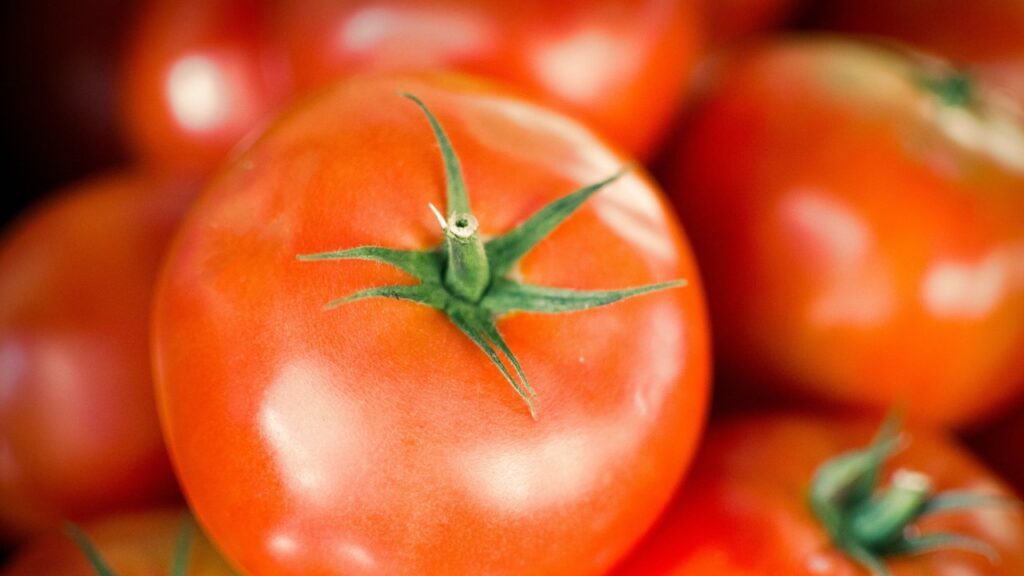
In kitchens around the world, there exists a brightly colored food that adds both flavor and color to countless dishes. Although it grows like a fruit — developing from a flower and containing seeds — it is commonly used as a vegetable in salads, sauces, and soups. This culinary confusion has lasted for centuries, blending the lines between botany and gastronomy. The red fruit usually mistaken for a vegetable is the tomato.
The tomato is one of the most recognizable and widely consumed foods in the world. Scientifically classified as a fruit but culturally regarded as a vegetable, the tomato represents a fascinating intersection of science, history, and cuisine. Its vibrant red color, juicy texture, and rich flavor have made it a cornerstone ingredient in global cooking.
Botanical Classification
From a botanical perspective, the tomato (Solanum lycopersicum) is a fruit, specifically a berry. This is because it develops from the ovary of a flower and contains seeds. Botanically, fruits are the reproductive structures of flowering plants that aid in seed dispersal.
However, in culinary terms, the tomato is treated as a vegetable. This distinction arises because fruits are typically sweet and used in desserts, whereas tomatoes have a tangy, savory flavor and are used in main dishes, sauces, and salads. This dual identity is a classic example of how scientific and everyday classifications can differ.
Etymology and Origin
The word tomato comes from the Spanish tomate, derived from the Nahuatl (Aztec) word tomatl, meaning “swelling fruit.” The tomato plant originated in western South America, particularly in the Andean regions of modern-day Peru, Ecuador, and northern Chile.
It was later cultivated and domesticated in Mexico by the Aztecs, who were among the first to include tomatoes in their cuisine. When Spanish explorers reached the Americas in the 16th century, they brought the tomato back to Europe, where it gradually gained popularity, first in Spain and Italy, then throughout the continent.
The Great Fruit or Vegetable Debate
The tomato’s classification as a fruit or vegetable has been debated for centuries — and even reached the courtroom. In 1893, the United States Supreme Court ruled in Nix v. Hedden that, for taxation purposes, tomatoes should be classified as vegetables because they are commonly eaten as part of the main meal rather than as dessert.
Despite this legal decision, scientists continue to affirm that tomatoes are fruits in the biological sense. Thus, the tomato remains both — a fruit by nature, a vegetable by culture.
Varieties of Tomatoes
Tomatoes come in an astonishing range of sizes, colors, and flavors. Common varieties include:
- Cherry Tomatoes: Small, round, and sweet, often used in salads.
- Grape Tomatoes: Slightly oval, firmer, and less juicy than cherry tomatoes.
- Beefsteak Tomatoes: Large and fleshy, ideal for sandwiches and burgers.
- Roma (Plum) Tomatoes: Oval and meaty, used mainly for sauces and pastes.
- Heirloom Tomatoes: Traditional, non-hybrid varieties with diverse colors and unique flavors.
- Green Tomatoes: Unripe tomatoes used in fried or pickled dishes.
Colors vary from classic red to yellow, orange, purple, and even striped varieties, each offering subtle differences in taste and texture.
Nutritional Value
Tomatoes are low in calories but rich in nutrients. A single medium-sized tomato provides:
- Vitamin C – strengthens the immune system.
- Vitamin A – promotes eye and skin health.
- Potassium – helps regulate blood pressure.
- Lycopene – a powerful antioxidant responsible for the tomato’s red color, linked to reduced risk of heart disease and certain cancers.
Cooking tomatoes enhances lycopene absorption, which is why tomato sauces and soups are as healthy as fresh ones. Combined with olive oil, as in Mediterranean cuisine, lycopene becomes even more bioavailable.
Culinary Uses
Tomatoes are indispensable in cuisines worldwide. They can be eaten raw, cooked, roasted, or dried. Their versatility makes them suitable for every type of dish:
- Italian cuisine: Tomato sauce forms the base of pasta dishes and pizzas.
- Mexican cuisine: Fresh tomatoes are used in salsas, tacos, and soups.
- Indian cuisine: Curries and stews often use pureed or diced tomatoes for richness.
- American cuisine: Ketchup, chili, and hamburgers rely heavily on tomatoes.
Sun-dried tomatoes and tomato paste concentrate flavor, offering deeper notes for complex recipes.
Cultural Symbolism
Beyond nutrition, the tomato holds symbolic and cultural value. In Italy, it represents abundance and warmth, central to the national identity of Mediterranean cooking. In literature and film, tomatoes often symbolize vitality, passion, or domestic comfort. The phrase “throwing tomatoes” once referred to audiences expressing disapproval during live performances, showing how the fruit even entered cultural idioms.
Scientific Importance
Tomatoes are a model organism in plant genetics and biotechnology. The sequencing of the tomato genome has helped scientists understand plant development, disease resistance, and crop improvement. Due to their short life cycle and well-studied genetics, tomatoes are invaluable for agricultural research.
Common Misconceptions
Many people still believe tomatoes are vegetables because they are served in savory dishes. However, other fruits like cucumbers, eggplants, avocados, and peppers share this same botanical reality — all are technically fruits used as vegetables. This misconception persists largely because of tradition and taste rather than scientific reasoning.
Synonyms and Related Terms
While “tomato” is the standard term, a few related or descriptive expressions exist:
- Fruit-vegetable: A general term for plants like tomatoes that blur classification.
- Love apple: An old European nickname for tomatoes from the French pomme d’amour, used in the 16th century.
- Red fruit: A simple descriptive phrase referring to its color and sweetness.
In slang, “tomato” was used in early 20th-century English to refer playfully to an attractive woman, though this usage has become outdated.
Antonyms (Conceptual Opposites)
Conceptual opposites of “tomato” include:
- Vegetable (in strict culinary sense): Foods like carrots or potatoes with no fruit structure.
- Root crop: Plants grown underground, such as beets or onions.
- Leafy greens: Spinach, kale, lettuce — all entirely different in plant form and taste.
These contrast the tomato’s fruit-bearing, seed-containing nature.
Variations and Products
Tomatoes are used in countless processed forms:
- Tomato paste and tomato puree — concentrated cooking bases.
- Tomato sauce — flavored and cooked versions used for pasta or pizza.
- Ketchup — sweetened and spiced condiment made from tomatoes.
- Canned tomatoes — preserved for year-round use.
- Sun-dried tomatoes — dehydrated for intense flavor.
- Tomato juice — consumed as a beverage or used in cocktails like the Bloody Mary.
Each of these forms extends the tomato’s reach far beyond the garden and kitchen.
Health and Environmental Impact
Tomatoes are central to sustainable agriculture, as they can be grown in diverse climates with relatively low environmental cost. Greenhouse cultivation allows for year-round availability. However, large-scale production can raise concerns about pesticide use and water consumption, prompting growing interest in organic and heirloom varieties.
The tomato stands at the crossroads of science, culture, and cuisine. It is a fruit by nature, a vegetable by custom, and a universal symbol of nourishment and color. From ancient Aztec gardens to modern Italian kitchens, the tomato’s journey reflects humanity’s ability to adapt, cultivate, and celebrate food.

Benzer Konular

7. Elif, Mehmet’e severek oynadığı bir oyunun kurallarını anlatıyor. Elif’in konuşurken dikkat etmesi gereken kurallar doğruysa “D”, yanlışsa “Y” yazınız. İfade Doğru / Yanlış Konuşmasında seviyesine uygun cümleler kurmalıdır. D Konuşmasını olabildiğince uzatmalıdır. Y Konuşurken Mehmet’le göz teması kurmalıdır. D Mehmet’in oyun hakkında bilgi sahibi olması için bağırarak konuşmalıdır. Y...

Gezegenlerin kendi etrafındaki dönüş hızları ile güneşe olan uzaklıkları arasındaki ilişki nasıldır?
Gezegenlerin Dönüş Hızları ve Güneşe Olan Uzaklıkları Arasındaki İlişki Basit bir cevapla, direkt bir orantı bulunmamaktadır. Yani bir gezegenin Güneş’e olan uzaklığı, onun kendi etrafındaki dönüş hızını doğrudan belirlemez. Ancak, bu iki faktör arasında dolaylı bir ilişki ve çeşitli etkileşimler vardır. Neden Direkt Bir İlişki Yok? Dolaylı İlişkiler ve Etkileşimler...

YAŞASIN DOSTLUK Uzaklarda bir yerde “Pınarlı” isminde bir köy varmış. Bu köyde çocuklar mutluluk içinde yaşarmış. Köyün çocukları değirmenin yanında saklambaç oynarmış. Bir gün yine değirmenin yanında toplanmışlar. Oyun oynamaya başlamışlar. O sırada ismi Ayla olan, daha önce tanımadıkları bir kız gelmiş. Çocukları izlemeye başlamış. Ayla da onlarla oyun oynamak...

Düz Dünya modeli, Dünya’nın şeklini düz bir yüzey ya da disk şeklinde tasvir eden, tarih boyunca pek çok eski uygarlık tarafından benimsenmiş bir dünya görüşüdür. Antik dönemlerde, özellikle Yunan medeniyetinin klasik çağına kadar ve Helenistik dönemde, ayrıca Yakın Doğu’nun Tunç ve Demir Çağı toplumlarında bu anlayış yaygındı. Aynı şekilde, Hindistan’da...

Fantastic Adventures of Dizzy, 1991 yılında Codemasters tarafından geliştirilen ve Mega Drive/Genesis, Master System, Game Gear, Nintendo Entertainment System, Amiga ve MS-DOS dahil olmak üzere çeşitli platformlarda yayınlanan bir platform ve macera oyunudur. Dizzy serisinin bir parçasıdır. Oyunda, Yolkfolk adlı barışçıl bir ırka ait sevimli bir yumurta olan Dizzy’nin maceraları...

Dinin diğer kültürel unsurlara ne gibi etkileri vardır? Kısa Cevap: Din, toplumsal yaşamın temel taşlarından biridir. Dil, sanat, hukuk, eğitim, gelenek-görenek gibi birçok kültürel unsuru şekillendirir. İnançlar, insanların davranışlarını yönlendirirken, bayramlar, ritüeller ve dini semboller de kültürel kimliğin oluşmasında büyük rol oynar. Uzun Açıklama:Din, bir toplumun kültürel yapısında merkezi bir...
Bir Yorum Yazın
Ziyaretçi Yorumları - 0 Yorum