
How often should you ensure that bolts, padlocks and security devices are removed from fire exits?
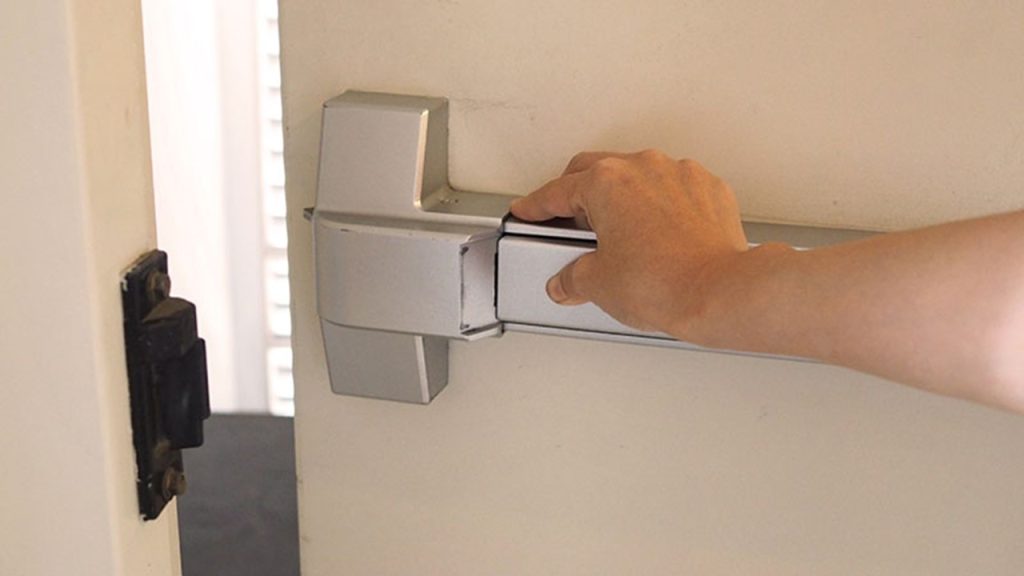
Ensuring that bolts, padlocks, and security devices are regularly removed from fire exits is a critical aspect of building safety and fire prevention. Fire exits are designed to provide a quick and accessible route for people to evacuate in the event of an emergency. However, if these exits are obstructed or locked, they become ineffective and may result in life-threatening consequences.
1. Importance of Fire Exits in Emergency Situations
Fire exits are essential in any building, providing a means of escape during a fire or any other emergency situation, such as earthquakes, floods, or other hazardous scenarios. The primary purpose of a fire exit is to ensure that individuals can evacuate the premises quickly and safely, avoiding the dangers posed by smoke, fire, and structural damage. The design of fire exits typically includes wide doors that open outward and lead to a safe area away from the building, such as a street or assembly point.
In many countries, building codes and safety regulations require that fire exits be kept clear of any obstacles and that they remain easily accessible at all times. This ensures that in the event of a fire or emergency, there is no delay in evacuating the building. Fire exit routes should be clearly marked with signs and should not be obstructed by any barriers that could impede evacuation.
2. The Role of Bolts, Padlocks, and Security Devices
Bolts, padlocks, and other security devices are often used to secure fire exits to prevent unauthorized access. For example, in some cases, fire exits may be secured to prevent people from entering or leaving certain areas of a building during regular operations, to deter theft, or to restrict access to specific areas for safety reasons. However, these security measures must be used with caution. While they may be necessary for security, they should not impede a quick and safe exit in case of an emergency.
In an emergency situation, if the fire exit doors are bolted or padlocked, they become useless, as people may be trapped inside the building. This is a serious safety violation that could lead to fatalities. For this reason, it is crucial to ensure that all fire exit doors are regularly checked and that any security mechanisms on these doors are removed or are easily disengaged during an emergency.
3. Legal and Regulatory Requirements
Most countries have strict building codes and safety regulations that govern the use of fire exits. These codes typically require that fire exits must be kept free of obstacles, including security devices such as bolts and padlocks, and must be able to open easily and without the need for keys or other mechanisms. For example, in the United States, the National Fire Protection Association (NFPA) sets standards for fire exits, and the Occupational Safety and Health Administration (OSHA) mandates that doors used as emergency exits must not be locked or obstructed. Similarly, in the European Union, fire safety regulations under the Construction Products Regulation and various national building codes require that fire exits remain accessible at all times.
Failure to comply with these regulations can result in penalties for building owners or operators. More importantly, non-compliance can put lives at risk, as people may not be able to evacuate in an emergency.
4. Risks of Security Devices on Fire Exits
The primary risk associated with bolts, padlocks, and other security devices on fire exits is that they prevent quick access during an emergency. Some of the risks include:
- Delayed Evacuation: In the event of a fire, every second counts. If people are faced with locked or bolted doors, they may be unable to evacuate in time, which can lead to panic and confusion. This delay can increase the likelihood of injury or death.
- Obstructed Escape Routes: If a fire exit is blocked or locked, it may lead individuals to seek alternative escape routes, which may not be as safe or direct as the blocked exit. This can complicate evacuation and increase the risk of being caught by smoke or flames.
- Trapped Occupants: If security devices are not regularly checked and removed, building occupants may find themselves trapped inside during an emergency. This is particularly concerning in multi-story buildings where people may not have other means of escape.
- Liability Issues: In addition to the risk to human life, building owners and operators may face legal consequences for failing to maintain fire exits in accordance with safety regulations. This can include fines, lawsuits, and damage to reputation.
5. Recommended Frequency of Inspections
To ensure that fire exits are accessible at all times, it is essential that building owners and managers establish a regular inspection schedule for fire exit doors and security devices. The frequency of these inspections should depend on the type of building, the number of occupants, and the potential fire hazards present. However, there are some general guidelines that can help establish a reasonable schedule:
- Daily Inspections: In high-traffic buildings or areas with large numbers of people, such as schools, hospitals, shopping malls, or office buildings, fire exits should be checked daily. This ensures that doors are not obstructed, and any security devices, such as padlocks or bolts, are either removed or functioning properly.
- Weekly Inspections: For buildings with fewer occupants or less foot traffic, weekly inspections may suffice. These inspections should focus on ensuring that fire exits are not obstructed by debris or other items, and that security mechanisms are not preventing easy access.
- Monthly Inspections: In some cases, particularly in low-risk environments, monthly inspections may be adequate. However, these inspections should still ensure that fire exit routes are fully accessible, and all security mechanisms are functioning as intended.
- Annual Safety Drills: In addition to regular inspections, fire drills should be conducted at least once a year to ensure that all occupants are familiar with the fire evacuation plan and that fire exits are functioning properly. During these drills, the security devices should be tested to verify that they do not interfere with evacuation.
In conclusion, the safety of building occupants depends on the accessibility of fire exits. Bolts, padlocks, and security devices, if not properly managed, can turn a life-saving exit route into a deadly trap. Regular inspections are crucial to ensuring that fire exits are always accessible, and security devices are removed or disengaged in an emergency. Compliance with legal and safety regulations is not just a legal obligation but a moral one to protect the lives of those within the building. By implementing a consistent and thorough inspection schedule, building managers can help ensure that fire exits remain clear, accessible, and effective when they are needed most.

Benzer Konular

Bir metnin 5N1K sorularına cevap vermesi, metnin haber türünde olma ihtimalini oldukça yüksek gösterir. Haber metinleri, okuyucuyu bir olay veya durum hakkında objektif bir şekilde bilgilendirmeyi amaçlar. Bu amaca ulaşmak için, olayın ne, nerede, ne zaman, kim, nasıl ve neden gerçekleştiğini açık ve net bir şekilde sunmaları gerekir. 5N1K soruları,...

Many people use the phrase creepy crawlies for small creatures that scuttle, buzz, or appear suddenly in places like gardens, basements, sheds, and sidewalks, often triggering a quick mix of curiosity and unease. The term is informal and broad, covering insects and other arthropods that move in noticeable, sometimes startling...

Toplumlarda bazı işler vardır ki yalnızca bilgiyle değil, aynı zamanda ustalık, sabır ve deneyimle yapılır. Bu tür işlerde el becerisi ön plandadır ve yapılan iş, kişinin yeteneğini, emeğini ve estetik anlayışını doğrudan yansıtır. Özellikle üretim sürecinde makineden çok insan eli, göz kararı ve tecrübe belirleyici olur. Ahşaptan metale, deriden kumaşa...

Hangisi 2. Dünya Savaşı’nda açılan cephelerden biri değildir? A) Asya-Pasifik CephesiB) Hicaz-Yemen CephesiC) Kuzey Afrika CephesiD) Balkan Cephesi II. Dünya Savaşı, dünyanın farklı kıtalarına yayılan ve çok sayıda askeri cephede yürütülen küresel bir çatışma olduğu için Asya’dan Avrupa’ya, Afrika’dan okyanuslara kadar pek çok bölgede aktif savaş alanları oluşmuştur; bu cepheler...

Zümrüdü Anka kuşunun yuvasının bulunduğu masallara konu olmuş dağ Kaf Dağı‘dır. Kaf Dağı, Türk mitolojisinde dünyanın en yüksek dağı ve göğün kubbesini taşıdığına inanılan yer olarak bilinir. Bu dağ, birçok masalda ve efsanede yer alır ve Zümrüdü Anka kuşunun da bu dağda yuva yaptığına inanılır. Kaf Dağı’nın tam olarak nerede...

Kötü bir restoran düşüncesi, yalnızca yemeklerin lezzetsiz ya da ortamın rahatsız edici olmasıyla sınırlı kalmaz; aynı zamanda orada bulunan herkes için ayrı ayrı zorlayıcı bir tabloyu da akla getirir. Hizmetin aksaması, mutfağın düzensiz olması, çalışanların yorgun görünmesi, yöneticinin baskı altında kalması ya da müşterinin memnun olmaması gibi durumlar bir araya...
Bir Yorum Yazın
Ziyaretçi Yorumları - 0 Yorum