
A medium-sized sailboat equipped for cruising or racing
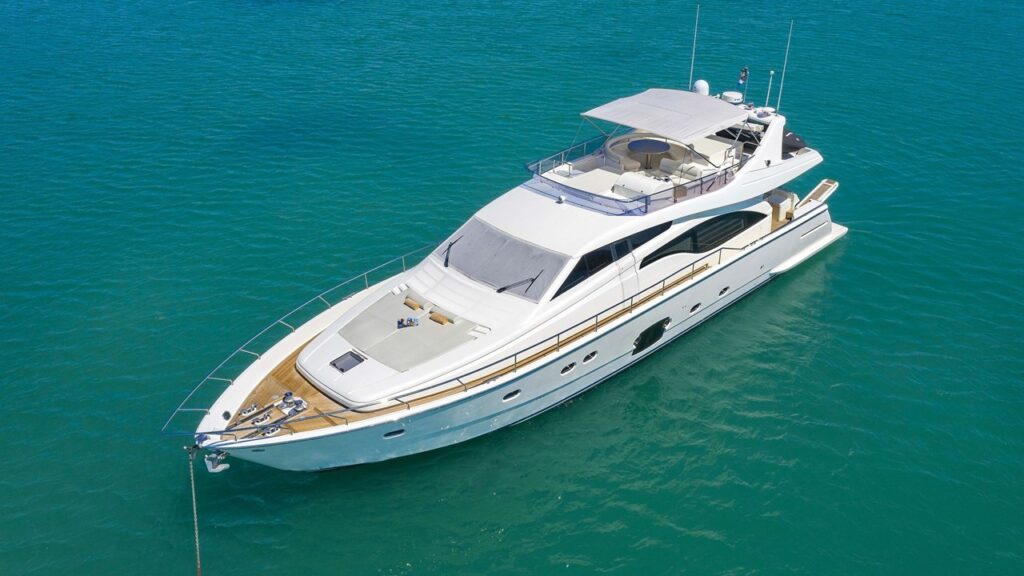
Across the sparkling blue waters, there exists a type of elegant boat designed for comfort, speed, and pleasure. It is larger and more luxurious than a small sailboat, yet nimble enough for both leisurely cruising and competitive racing. Often owned by sailors who enjoy both adventure and relaxation, it can travel long distances and is equipped with cabins, sails, and advanced navigation systems. This medium-sized sailing vessel, built for both recreation and performance, is called a yacht.
The word “yacht” refers to a medium- to large-sized sailboat or motorboat that is used for pleasure, cruising, or racing. Yachts are symbols of freedom, luxury, and adventure on the sea, blending artful design with engineering precision. While smaller boats are mainly for transportation or fishing, yachts are designed for recreation—allowing people to explore oceans, coastlines, and harbors in comfort and style.
From a linguistic and historical standpoint, the term yacht comes from the Dutch word jacht or jaght, meaning “hunt” or “chase.” In the 17th century, these vessels were fast sailing ships used by the Dutch navy to chase pirates and smugglers. The English adopted the term when King Charles II of England, exiled in the Netherlands, returned to England aboard a jacht in 1660. He became so fond of sailing that he popularized yachting as a royal pastime. Over time, the meaning of the word evolved from a fast military vessel to a pleasure craft associated with elegance and leisure.
From a nautical perspective, a yacht is distinct from other boats in terms of size, equipment, and purpose:
- Size: Yachts are typically larger than 30 feet (9 meters) in length but smaller than full-sized ships.
- Purpose: Unlike fishing boats or cargo vessels, yachts are designed for leisure, entertainment, and sport.
- Features: Most yachts include living accommodations—cabins, bathrooms, a kitchen (galley), and lounging areas. They are often equipped with sails or engines powerful enough to travel long distances.
There are two main categories of yachts:
- Sailing yachts – These rely primarily on wind power through sails and masts. They may also have small engines for docking or emergencies.
- Motor yachts – These are powered mainly by engines, offering higher speed and often greater luxury. Some are designed for ocean crossings, while others stay close to the coast.
A racing yacht is built for speed and agility, featuring lightweight materials, sleek hulls, and specialized sails. In contrast, a cruising yacht prioritizes comfort and durability, offering space for long-term living at sea.
From a technical and design standpoint, yachts combine beauty with engineering. Modern yacht designers focus on balance, stability, and hydrodynamics. The hull shape is designed to cut efficiently through water while maintaining control and speed. Inside, craftsmanship is equally important—polished woodwork, luxurious interiors, and advanced navigation systems such as GPS and radar are common. Large yachts may also include solar panels, satellite communications, and climate control systems.
In yachting culture, owning or sailing a yacht is often associated with freedom, wealth, and adventure. For some, it symbolizes success and leisure, while for others, it represents a love of the sea and exploration. The phrase “yachting lifestyle” describes a way of life centered around sailing trips, regattas (races), and coastal living. Yachts can be privately owned, chartered (rented), or shared among sailing clubs.
Yacht racing is a prestigious and historic sport. Some of the world’s most famous yacht races include:
- America’s Cup – The oldest international sporting competition, established in 1851, where elite teams compete with high-tech racing yachts.
- Volvo Ocean Race (now The Ocean Race) – A global endurance sailing event covering tens of thousands of nautical miles.
- Sydney to Hobart Yacht Race – A challenging race known for unpredictable weather and rough seas.
These events combine athletic skill, teamwork, and advanced engineering, making yachting both a sport and a spectacle.
From a linguistic point of view, the word yacht is pronounced /jɒt/ in British English and /jɑːt/ in American English. Interestingly, although it ends in “-cht,” the “ch” is silent. The plural form is yachts. The adjective yachting refers to activities related to yachts, such as yachting clubs or yachting holidays. A person who owns or sails a yacht is called a yachtsman (for men), yachtswoman (for women), or more generally, a yacht owner or sailor.
In economic and industrial terms, the yacht industry is a major part of the global maritime economy. The market includes not only private yacht construction but also chartering, maintenance, and marina services. Luxury yachts, often exceeding 100 feet, can cost millions of dollars and come with onboard amenities like swimming pools, theaters, helipads, and even submarines. However, there are also more affordable sailing yachts used by families and adventurers who enjoy the open sea without lavish luxury.
In environmental and technological development, modern yacht design increasingly focuses on sustainability. Many new yachts incorporate hybrid engines, solar power, and energy-efficient materials to reduce carbon emissions. This shift reflects a broader awareness of marine conservation and the need to protect oceans from pollution and overuse.
In language and metaphor, the term yacht often symbolizes elegance, success, and independence. Phrases like “a yacht lifestyle” or “living on a yacht” evoke images of freedom and luxury. In literature and movies, yachts frequently appear as settings for romance, mystery, or adventure—places where characters escape, celebrate, or face dramatic turning points. For example, in the world of film, scenes set on yachts often represent opulence and exclusivity.
From a social perspective, yachting brings people together through clubs, regattas, and travel communities. Yacht clubs exist in many coastal cities, offering facilities for docking and socializing. Members share a love for the sea, participating in local and international sailing events. The culture of yachting emphasizes respect for the ocean, teamwork, and seamanship—the skill of managing and navigating a vessel safely.
In scientific and practical applications, the principles behind yacht design—such as hull shape, wind dynamics, and material science—contribute to advancements in other fields, including naval architecture and renewable energy (especially in wind turbine design). Thus, yachts are not only symbols of pleasure but also platforms for innovation and engineering progress.
To summarize, a yacht is more than just a medium-sized sailboat—it is a creation that blends art, science, and passion. From its origins as a swift Dutch vessel to its modern role as a symbol of leisure and sport, the yacht embodies freedom, craftsmanship, and exploration. Whether gliding across calm bays or racing through fierce winds, it represents humanity’s enduring love for the sea. Therefore, when we read the phrase “a medium-sized sailboat equipped for cruising or racing,” the correct answer is Yacht.

Benzer Konular

Sayfa Bilgisi Açıklama Sınıf 2. Sınıf Ders İngilizce Yayınevi Kurmay ELT Sayfa 69 Bölüm Theme 3 – Etkinlik 12 Konu Pasta üzerindeki mumları sayarak kişilerin yaşlarını İngilizce tamamlama Theme 3: My Body Okunuşu: Tiim Thrii: May BadiTürkçesi: Tema 3: Benim Vücudum 12. Görsele Göre Boşluğu Doldurunuz 1. She Is _____...

İletişim Var, Sorun YokHatırlayalım ➤ Konuşma balonlarını okuyalım. Mert:“Merhaba, ben Mert. Kitap okumayı, gösterilerde rol almayı, resim yapmayı çok seviyorum. Okulumuzda düzenlenen yardım projelerine ve gezilere katılmak hoşuma gidiyor. Bu etkinliklerde arkadaşlarımla iyi vakit geçiriyorum.” Gözde:“Merhaba, ben Gözde. Matematik ve müzik kulübüne üyeyim. Okulda düzenlenen futbol turnuvalarına katılıyorum. Arkadaşlarımla iyi...

Elektrik profesörü Elihu Thomson, deney yaparken iki kablonun sıcaklık sonucu birleşmesi ile hangi kaynak yöntemini keşfetmiştir? A) Enerji ışın kaynağıB) Gaz altı kaynağıC) Oksi-Asetilen kaynağıD) Elektrik ark kaynağı Elektrik profesörü Elihu Thomson, deney yaparken iki kablonun sıcaklık sonucu birleşmesi ile elektrik ark kaynağı yöntemini keşfetmiştir. Diğer seçenekler hatalıdır: Elektrik ark...

Aşağıdaki resimleri inceleyiniz. Doğru davranışlar için :), yanlış davranışlar için 🙁 yapınız. Özetle, yaya geçidi, üst geçit ve alt geçit gibi güvenli yolları kullanmak, yayaların güvenliği için önemlidir. Yoğun trafik olan yerlerde yaya olarak geçmek ise tehlikeli olabilir.

Zihinden Çıkarma İşlemi Yapalım14 – 6 işlemini zihinden yapalım.6 sayısını 4 ve 2 sayılarının toplamı olarak düşünelim. Önce on dörtten dördü çıkaralım.14 – 4 = 10Ondan da ikiyi çıkaralım.10 – 2 = 8 15-7=813-6=717-8=9 12-4=811-3=817-9=8 14 – 6 = 8:Bu işlemde, 6 sayısını iki parça olarak düşünüyoruz: 4 ve 2....

Eyeliner sürmek, makyajın en küçük ama en dikkat isteyen adımlarından biridir. İncecik bir çizgiyle gözleri daha belirgin, daha çekik, daha etkileyici ve daha tamamlanmış göstermek mümkün olsa da uygulama anında yaşanan en ufak hata bütün makyaj havasını değiştirebilir. Bir gözün çizgisi tam olurken diğerinin farklı görünmesi, eyelinerın göz kapağına bulaşması,...
Bir Yorum Yazın
Ziyaretçi Yorumları - 0 Yorum