
To bat an eye in a joking manner
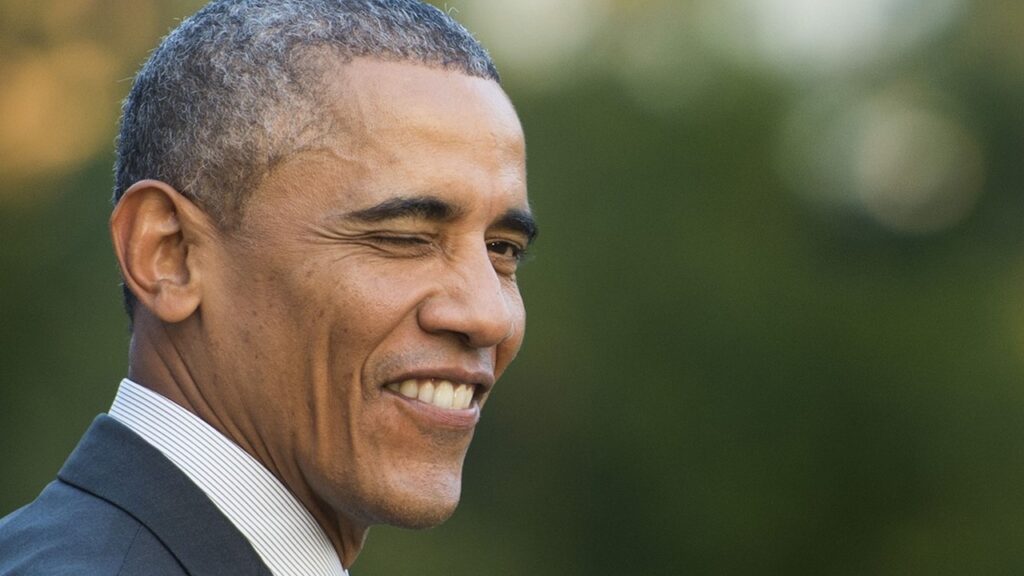
In social interaction, subtle facial expressions can often communicate more than words. One of the most recognizable gestures is the quick closing and opening of one eye, usually meant to signal amusement, confidence, or a shared secret. This movement is frequently used in a playful or joking context to suggest irony, complicity, or humor without speaking. To bat an eye in a joking manner is to wink.
The word “wink” refers to the deliberate or sometimes involuntary act of briefly closing and opening one eye. Although the movement is small and often fleeting, it carries significant communicative weight. In both verbal and nonverbal communication, a wink can express humor, affection, mischief, or complicity. It bridges the gap between spoken words and emotional expression, turning an ordinary statement into a shared inside joke or a subtle cue.
Etymology and Origin
The term wink originates from Old English wincian, meaning “to close the eyes quickly.” Its linguistic relatives can be traced to Germanic roots such as winken (“to wave” or “to signal”) and Dutch winken (“to nod” or “beckon”). These older meanings reflect the idea of making a small gesture to convey a larger message—an idea that persists in the modern English “wink,” where a tiny motion of the eye carries deep communicative power.
Over centuries, wink evolved from referring to a simple eye movement to symbolizing intentional communication. By the 16th century, the verb had acquired the figurative sense of “pretend not to see” or “ignore deliberately,” as in the phrase to wink at wrongdoing—a metaphorical use that still exists today.
Physical Description
A wink involves the contraction of the orbicularis oculi muscle around one eye. The movement is controlled voluntarily by most people, though some find winking difficult with one eye or the other due to muscular asymmetry. Involuntary eye closures, such as blinking, differ from winking in that blinking is reflexive and symmetrical, whereas winking is intentional and asymmetrical. The distinction between a blink and a wink is thus one of purpose: a blink protects the eye; a wink communicates.
Communicative Function
A wink is a form of nonverbal communication—a gesture that conveys meaning without speech. It can carry multiple interpretations depending on the social context, facial expression, and relationship between participants. Some of the common functions include:
- Playfulness or teasing: A wink can indicate that a statement should not be taken too seriously. For instance, saying, “Of course I never eat dessert,” followed by a wink signals humor or irony.
- Secrecy or complicity: Among friends, a wink can convey shared understanding—an unspoken acknowledgment that both parties are “in on” the same thought or joke.
- Flirtation: In romantic or lighthearted settings, a wink can be a subtle signal of attraction or confidence.
- Reassurance: Sometimes, a wink can comfort or calm another person by signaling that everything is under control.
- Mockery or sarcasm: Used inappropriately, a wink might imply insincerity or condescension, depending on tone and situation.
Thus, while a wink is simple in motion, it is complex in meaning—a micro-expression layered with cultural nuance and emotional intent.
Cultural Interpretations
Winking is not universally understood in the same way across cultures. In Western societies, especially in English-speaking countries, a wink typically implies friendliness, humor, or flirtation. However, in some cultures, the gesture can be considered impolite or even offensive.
For example:
- In parts of the Middle East, winking at someone of the opposite sex may be perceived as inappropriate.
- In Asian cultures, where restraint in facial expression is valued, winking may appear overly informal.
- In Western popular culture—films, novels, and advertising—a wink often symbolizes confidence, charm, or secrecy.
Understanding these cultural variations is essential to interpreting a wink correctly, especially in international communication.
Symbolic and Idiomatic Usage
The concept of “winking” appears in many idioms and metaphors within the English language:
- Sleep like a wink: To sleep very lightly or briefly.
- Not sleep a wink: To get no sleep at all.
- In the wink of an eye: To describe something happening very quickly, similar to “in a flash.”
- To wink at something: To deliberately ignore a fault or offense.
Each of these idioms expands on the basic notion of a wink—something fleeting yet meaningful.
Psychological Perspective
From a psychological standpoint, the wink functions as a social cue that depends on mutual understanding. For the gesture to succeed, both the sender and the receiver must recognize its intent. Misinterpretation can easily occur: what one person means as friendly humor, another might perceive as sarcasm or flirtation. This duality is why winking often occurs in informal, trust-based contexts rather than professional or formal ones.
Winking in Literature and Media
Winking is a favored device in literature and film to reveal a character’s personality. A sly wink from a detective might hint at a secret plan; a playful wink from a hero could lighten a tense moment. Classic cinema often used the wink as a romantic or comedic gesture—think of James Bond’s confident wink or a mischievous child’s conspiratorial one. In writing, authors use “winked” to suggest both warmth and cunning, depending on tone.
Synonyms (Near-equivalents)
While wink is quite specific, several related expressions and gestures share similar meanings:
- Blink (intentional) — though usually involuntary, it can sometimes be purposeful.
- Gesture — a general term for nonverbal communication.
- Signal — conveying meaning through movement.
- Beckon — to summon or attract attention with a motion.
- Nod knowingly — to indicate shared understanding or agreement.
However, none of these terms fully capture the brevity and expressiveness unique to “wink.”
Antonyms (Conceptual Opposites)
Conceptually, the antonyms of “wink” would include behaviors that lack subtlety or secrecy, such as:
- Stare — to look openly and fixedly, often rudely.
- Ignore — to show no recognition or acknowledgment.
- Glare — to look angrily or intensely.
- Gawk — to look in a foolish or obvious way.
These are the opposite of a wink’s quiet, coded communication style.
Variations and Related Forms
- Winking (noun/verb form): The act of performing a wink.
- Winky (adjective or nickname): Informally describing someone prone to winking or playful gestures.
- Double wink / exaggerated wink: Used humorously or theatrically to emphasize irony.
- Emoji: The digital evolution of the gesture, widely used in texting to soften statements or imply a joke.
Symbolism and Emotional Layer
The wink carries a symbolic duality—it hides and reveals simultaneously. It says, “I know something you know,” creating a momentary alliance. Psychologically, it strengthens interpersonal bonds by generating an “inside circle” of understanding. This small gesture can transform an ordinary interaction into a moment of humor, trust, or connection.
Conclusion
The wink is one of humanity’s simplest yet most expressive nonverbal signals. With a mere flick of an eyelid, it can convey irony, affection, amusement, or secrecy. It thrives on shared understanding, context, and timing—qualities that define effective communication itself. Whether in playful flirtation, clever humor, or subtle reassurance, the wink reminds us that not all communication needs words.

Benzer Konular
Uygulayalım Uygulama adımlarını takip ederek etkinliği yapalım. Uygulama Adımları → Öğretmenimizin rehberliğinde okul bahçesindeki toprak bir alana çubuğu görseldeki gibi yerleştirelim. → Çubuğun yere düşen gölgesinin en uç kısmını işaretleyelim. → 15-20 dakika sonra çubuğun gölgesinin yer değiştirdiğini göreceğiz. Çubuğun yeni gölgesinin uç kısmını işaretleyelim. → İlk ve ikinci işaretlediğimiz...

Sosyal hizmet mesleğinin ilkelerini aşağıdakilerden hangisi yansıtmamaktadır? a) Sosyal hizmet disiplininin konusu bireysel ve toplumsal çelişkilerin sonucu olan sorunlardır.b) Karşılaşılan sorunlar mevcut çelişkilerin ortadan kaldırılmasıyla çözülebilir.c) Sorunların çözümü bireylerin fikir ve tutumlarına bakılmaksızın gerekli görülüyorsa köklü bir değişiklikle sağlanır.d) Sorunların çözümü birey, grup ve toplum düzeyinde değişmeler yaratmakla olanaklıdır.e) Sosyal...
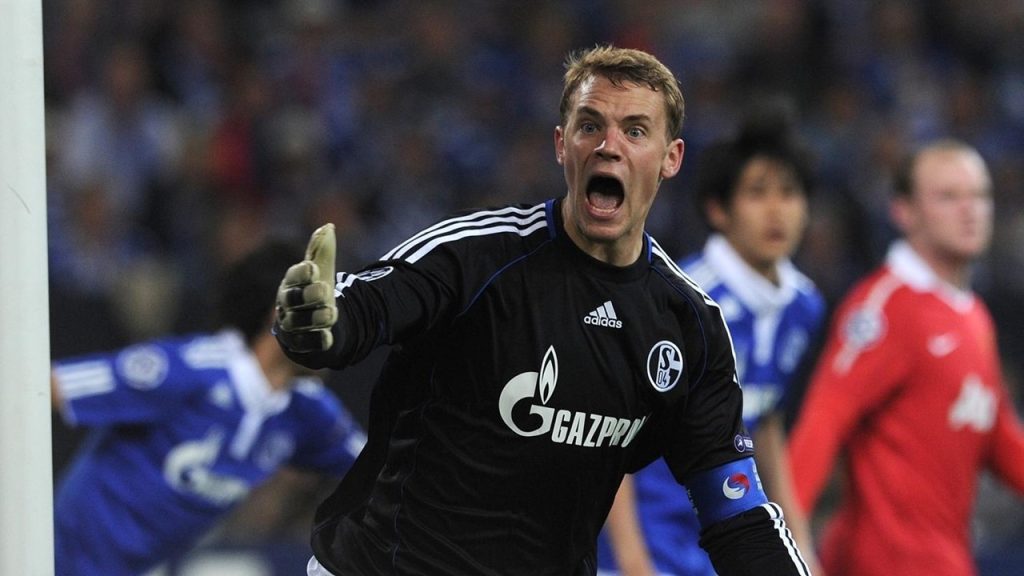
Manuel Neuer’in Münih öncesinde formasını giydiği kulüp hangisidir? A) Borussia DortmundB) Bayer 04 LeverkusenC) Werder BremenD) Schalke 04 Manuel Neuer, profesyonel futbol kariyerine 2005 yılında Schalke 04‘te başladı ve 2011 yılına kadar bu kulüpte forma giydi. Bu süre zarfında DFB-Pokal ve DFL-Ligapokal’i kazanma başarısını gösterdi ve 2010 yılında da kulüp...

KONU : Sağlıklı HayatKAZANIM : Kişisel bakımını düzenli olarak yapar. BAKIMLIYIM, SAĞLIKLIYIMEL VE YÜZ YIKAMA Sabah uyanınca ve akşam uyumadan önce ilk işimiz elimizi ve yüzümüzü yıkamak olmalıdır. Gün içinde ellerimizle birçok yere dokunuyoruz. Bu nedenle ellerimiz çok kirleniyor. Ellerimizi sık sık bol sabunlu su ile yıkamalıyız. El ve yüz...

Banyolar ile ilgili aşağıdaki ifadelerden hangisi yanlıştır? a. Sıcak küvet banyosu, kas spazmı çözer ve dolaşımı uyarır.b. Ilık küvet banyosu 40 °C’de yapılır.c. Soğuk banyo gerginliği azaltır ve beden ısısını düşürür.d. Lokal yaş uygulama, ölü deriyi kaldırır veya kurumuş sekresyonu yumuşatır, ağrıyı ve ödemi azaltır.e. Oturma banyoları, rektal ve perine...

1. Görsel (Daha çok çalışmalıyım.) Bu görselde bir çocuk düşünürken beynini “daha çok çalışmalıyım” sözleriyle birlikte görüyoruz.Açıklama:Bu mesaj, bir konuda başarılı olmanın temelinde düzenli çalışma olduğunu anlatır. Problemler bazen ilk bakışta zor görünebilir. Düzenli tekrar yapmak, örnek soru çözmek ve yanlışlardan ders çıkarmak zamanla problemi daha hızlı ve doğru çözmeyi...
Bir Yorum Yazın
Ziyaretçi Yorumları - 0 Yorum