
The media’s role is primarily entertainment, so it has little effect on our wellness.
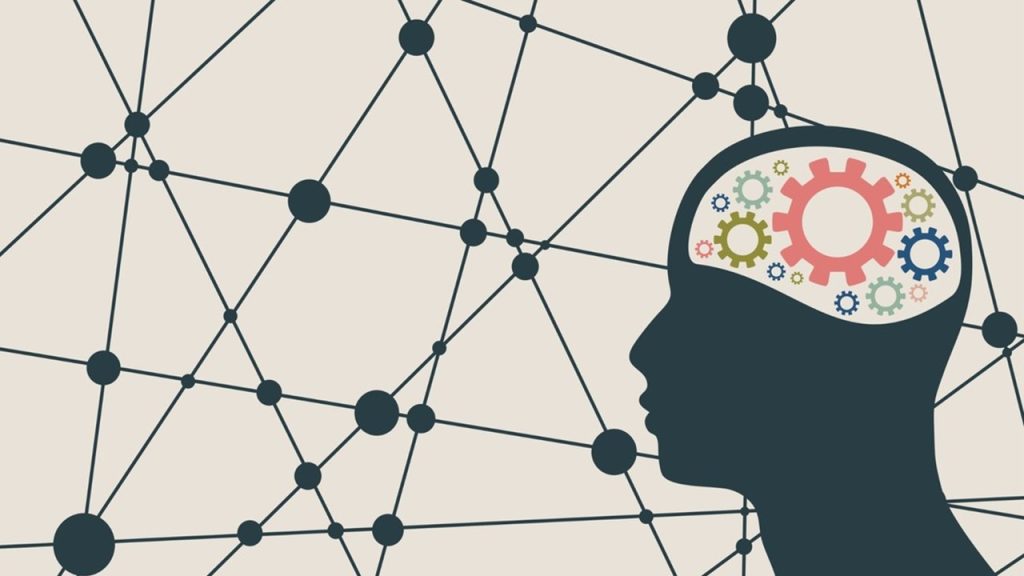
The media plays a significant role in modern society, but its primary function has evolved over time, with entertainment being one of its dominant purposes. While the media can indeed offer educational and informative content, it is often seen as primarily a source of entertainment for the public. This raises the question of how the media influences our wellness, especially in terms of mental, emotional, and physical health.
At the heart of the argument is the nature of entertainment media. From television shows and films to music and social media platforms, entertainment media shapes public perception and often sets the tone for popular culture. Many argue that, given this focus on entertainment, the media has little effect on our wellness, as it does not directly aim to improve health, wellbeing, or lifestyle choices. However, this perspective overlooks the subtle yet powerful influence the media can have on our daily lives.
The Perception of Wellness and Media Influence
In discussing the media’s effect on wellness, it is important to first define what we mean by “wellness.” Wellness encompasses both physical health and emotional and psychological wellbeing. It involves aspects such as exercise, nutrition, mental health, and overall life satisfaction. The media can influence all of these facets, even when it is primarily serving an entertainment purpose.
For instance, entertainment media often portrays idealized versions of beauty, success, and happiness, which can impact individuals’ perceptions of themselves and their own lives. The emphasis on ideal body types, lifestyles, and wealth in many television shows, films, and advertisements may contribute to feelings of inadequacy or unrealistic expectations. People might internalize these portrayals, striving to match the standards set by their favorite characters or celebrities, which can lead to issues such as body image concerns, low self-esteem, or anxiety. In this way, even entertainment-focused media can affect mental and emotional wellness.
Furthermore, certain types of entertainment media—such as news broadcasts, reality television, and even social media platforms—often highlight negative events such as crime, violence, political unrest, and disasters. This constant stream of distressing news can lead to a phenomenon known as “news fatigue,” where people become desensitized to the severity of the information or experience increased stress and anxiety from constant exposure to troubling content. These reactions, while not always immediate or overt, can accumulate over time and significantly influence a person’s emotional and psychological health.
Social Media and Wellness
One of the most significant and contemporary examples of entertainment media influencing wellness is social media. Platforms like Instagram, Facebook, and TikTok are designed to entertain, but they also heavily impact mental health. While social media can foster connection, creativity, and self-expression, it is also a breeding ground for comparison, envy, and unrealistic standards. The curated nature of social media—where people post only the highlights of their lives—often leaves users feeling that their lives fall short in comparison.
Research has shown that heavy social media use can increase feelings of loneliness, depression, and anxiety, especially among younger individuals. The pursuit of likes, comments, and validation through online interactions can create a vicious cycle of dependence on external approval, leading to a decline in self-worth. These platforms can also contribute to the normalization of unhealthy behaviors, from extreme dieting practices to overexercising, as individuals strive to match the perfect images they see online. As a result, while social media is a form of entertainment, its impact on wellness is profound and sometimes detrimental.
Television, Film, and Body Image
The portrayal of certain body types and lifestyles in television and film is another area where entertainment media can subtly impact wellness. For decades, Hollywood has perpetuated narrow standards of beauty, with thin, conventionally attractive women and muscular, tall men dominating screen time. These portrayals have led to widespread body dissatisfaction, particularly among young people. Studies have shown that media exposure is correlated with an increase in eating disorders, body dysmorphia, and unhealthy body image practices. People often look to the media to define what is “normal” or desirable, and when reality does not align with these standards, it can lead to negative emotional and psychological consequences.
Moreover, the growing trend of “reality” TV, where ordinary people are thrust into the spotlight and their every move is scrutinized, often amplifies these pressures. While these shows are intended for entertainment, they reinforce the idea that one’s worth is tied to appearance, wealth, or drama, rather than deeper qualities like kindness, intelligence, or emotional intelligence. This can create a skewed sense of reality for viewers, who may feel pressured to conform to the exaggerated lives they see on-screen.
The Positive Side of Media in Wellness
It is essential, however, to acknowledge that the media is not entirely detrimental to wellness. The media also has the capacity to educate, inspire, and promote healthier lifestyles. For instance, many television programs, documentaries, and social media influencers use their platforms to share wellness advice, fitness routines, and healthy eating habits. Public health campaigns and social media accounts dedicated to body positivity and mental health awareness have contributed to greater conversations about self-care, self-acceptance, and mindfulness.
Additionally, the rise of digital platforms has enabled individuals to access wellness content from experts in the fields of fitness, nutrition, mental health, and more. People can now follow accounts that promote balanced lifestyles, seek support from online communities, or watch instructional videos that empower them to improve their health. This positive aspect of media consumption can counterbalance some of the negative influences, offering individuals tools and resources to improve their wellness in a meaningful way.
In conclusion, while the media is often seen as primarily a source of entertainment, its influence on wellness cannot be entirely dismissed. The impact of entertainment media on mental, emotional, and physical health is complex and multifaceted. While entertainment media can sometimes contribute to unrealistic beauty standards, unhealthy behaviors, and negative self-perception, it also has the potential to educate, inspire, and promote wellness in positive ways. Ultimately, it is up to individuals to navigate the media landscape carefully, seeking out content that uplifts and enhances their lives while being mindful of the potential harms that can arise from excessive exposure to negative or idealized portrayals.

Benzer Konular
Türkçe’de sıklıkla kullanılan “uyurgezer” kelimesi, doğru yazımı konusunda bazı karışıklıklara neden olabilir. Peki, “uyurgezer” kelimesi nasıl yazılır? TDK’ya göre doğru yazımı nedir? Gelin birlikte inceleyelim. Uyurgezer kelimesi, TDK’ya göre bitişik yazılır. Yani doğru yazımı “uyurgezer” şeklindedir. “Uyur gezer” şeklinde yazmak, dilbilgisi açısından yanlış bir kullanımdır. Neden Bitişik Yazılır? Örnek Cümleler:...

Üç arkadaşın yaşları toplamı 37’dir. 4 yıl önce bu üç arkadaşın yaşları toplamı kaçtır? Çözüm 4 yıl önce her bir arkadaş 4 yaş daha küçük olacağı için, toplam yaş 3 × 4 = 12 yıl azalır. 4 yıl önceki yaşlar toplamı:37 − 12 = 25 Cevap: 4 yıl önce bu...

“U” ve “u” Harfini Öğreniyorum Merhaba! Bugün seninle birlikte alfabemizin önemli harflerinden biri olan “U” ve “u” harflerini öğreneceğiz. Bu harf, sesli harflerimizden biridir. Ağzımızdan çıkarken “u” sesi yuvarlak bir şekilde çıkar. Hadi birlikte “u” sesiyle başlayan bazı kelimelere bakalım: Bu kelimeleri söylediğinde “u” sesini en başta duyabilirsin. Şimdi gel,...

Cisimleri Özelliklerine Göre Sınıflandıralım Duvar saati çember şekline benziyor.Masa lambası üçgen şekline benziyor.Kedi tablosu kare şekline benziyor.Tavşan tablosu dikdörtgen şekline benziyor. Resimdeki diğer nesneler hangi geometrik şekillere benziyor? Söyleyelim. Çevremizi inceleyelim. Resimdeki şekillere benzer çevremizde neler var? Belirleyelim. Örneğin:

Tezat sanatı, birbirine zıt anlamlı kelime veya kavramların aynı cümlede yan yana getirilerek daha etkili bir anlatım elde etme sanatıdır. Bu sayede okuyucuda veya dinleyicide daha derin bir izlenim bırakılır ve düşünmeye sevk edilir. İşte tezat sanatının kullanıldığı dört farklı şiir dizesi örneği: Tezat Sanatının Diğer Örnekleri Bu örneklerde de...

Makam: RastUsûl : SemâiBeste: Gültekin ÇekiGüfte: Hayri Mumcu Unutulmuş birer birerEski dostlar, eski dostlarNe bir selâm, ne bir haberEski dostlar, eski dostlar Hayâl meyâl düşler gibiUçup giden kuşlar gibiYosun tutan taşlar gibiEski dostlar, eski dostlar Unutulmuş isimlerdeBilinmez ki nasıl, nerdeŞimdi yalnız resimlerdeEski dostlar, eski dostlar “Eski Dostlar” adlı eser, geçmişe...
Bir Yorum Yazın
Ziyaretçi Yorumları - 0 Yorum