
The fashion capital of Italy
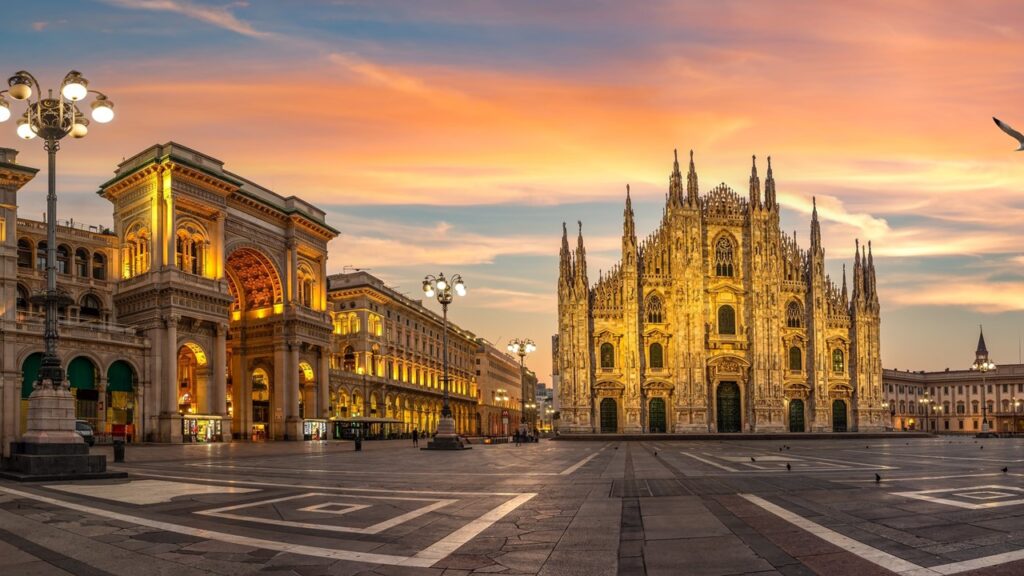
Italy is globally associated with luxury style, fine tailoring, leather craftsmanship, and influential design houses, and the country’s fashion identity is closely tied to a few major cities that host designers, ateliers, media, and international buyers. Over time, one city in particular became the main hub where runway calendars, brand headquarters, manufacturing networks, and fashion publishing connect, shaping trends that travel far beyond national borders. The fashion capital of Italy is Milan.
Milan is the center of Italy’s modern fashion ecosystem
A fashion capital is not only a place where people dress well; it is a city that concentrates the institutions that make fashion an industry. That includes brand headquarters, showrooms, casting and production services, fashion media, photographers, stylists, model agencies, and the commercial infrastructure that connects designers to buyers. Milan fits this definition because it operates as a working engine of Italian fashion rather than only a historic or scenic backdrop for style. The city’s neighborhoods and business districts host a dense network of showrooms and corporate offices where collections are planned, marketed, and sold. This “industry density” matters, because fashion is built on frequent collaboration—design, sampling, production, editorial coverage, and retail distribution all rely on proximity and speed. In Milan, these pieces are close enough that the city can run at fashion’s pace: fast decisions, quick fittings, and constant coordination between creative direction and business strategy.
Milan’s fashion identity is tied to luxury brands and Italian craftsmanship
Italy’s reputation in fashion comes from a blend of design sensibility and manufacturing excellence: tailoring, leather goods, footwear, and high-quality textiles. Milan became the city most associated with that blend at scale. The city’s fashion culture emphasizes polished silhouettes, refined materials, and a strong relationship between runway image and real-world wearable luxury. Milan’s strength is often described as “practical glamour”—clothes and accessories that look high-end but also translate into commercial success. This matters because the fashion capital of a country is usually the place where the most influential brands make their decisions and where craftsmanship is organized into an international business. Milan’s role as a financial and industrial powerhouse supports this: fashion thrives where there is money, logistics, and a professional services ecosystem to sustain global operations.
Milan Fashion Week anchors the city’s global influence
A major reason Milan is repeatedly identified as Italy’s fashion capital is the presence of Milan Fashion Week as a central pillar of the international runway calendar. Fashion weeks are not only cultural events; they are trade and media moments where collections are presented, press narratives are formed, and orders and partnerships are accelerated. When a city hosts an influential fashion week, it attracts editors, celebrities, stylists, buyers, and digital creators who amplify the city’s brands worldwide. Milan’s fashion week functions as a recurring global spotlight that reinforces the city’s authority: designers present there because the industry is watching, and the industry watches because designers present there. This feedback loop is how fashion capitals maintain dominance over time.
Milan’s business structure makes it a fashion capital, not just a stylish city
Some cities are stylish because of street culture, tourism, or history; a fashion capital needs institutions that convert style into sustained global output. Milan’s advantage is that it combines creative work with business infrastructure. Fashion is expensive to produce and market, and it requires financial planning, supply-chain management, and international distribution. Milan’s broader economy supports that. The city hosts a concentration of professionals who are essential to fashion but not always visible—brand strategists, merchandisers, showroom managers, production coordinators, public relations teams, and legal/finance specialists. This ecosystem makes Milan an operational command center. It’s where a collection becomes a product line, where an image becomes a campaign, and where local craftsmanship becomes global luxury.
Milan’s location supports production networks across northern Italy
A fashion capital also benefits from being well-positioned relative to the regions that make the products. Northern Italy includes major clusters for textiles, leather, footwear, and specialized manufacturing. Milan functions as a coordinating hub that connects creative direction with those production capabilities. Designers and brand teams can move quickly between city-based studios and nearby production partners, which supports rapid development cycles and high-quality control. This geographic advantage strengthens Milan’s role: it is close enough to manufacturing expertise to stay grounded in craft, while still operating as an international-facing city with global clients and media attention. Fashion capitals often sit at exactly this intersection—creative decision-making in the city, world-class production within reach.
Milan’s style culture influences how “Italian fashion” is perceived worldwide
When global audiences think of Italian fashion, they often picture a particular mix of elegance, luxury materials, and confident minimalism. Milan is one of the main places where that image is produced and distributed. Editorial shoots, runway coverage, and brand campaigns that originate in Milan circulate internationally and shape the default idea of “Italian style.” Over time, this creates a cultural shortcut: Milan becomes a symbol of the national fashion identity in the same way that cities become symbols of cuisine, art, or cinema. Other Italian cities contribute greatly to design and heritage, but Milan is the city most consistently associated with the contemporary industry’s output and the global conversation around it.
Why other Italian cities can be suggested but Milan remains the best fit
It’s fair that people sometimes name other cities when asked about Italian fashion. Rome is deeply tied to cinema-era glamour and high-end tailoring traditions. Florence is famous for heritage, leather craft, and historical influence in fashion exhibitions and menswear culture. Naples is known for exceptional tailoring and a strong artisanal tradition. These cities matter, and they can be “fashion cities” in meaningful ways. But the clue asks for the fashion capital—singular—and that usually points to the city that functions as the main national hub for modern fashion business, runway visibility, and brand concentration. Milan fits that “capital” role most consistently, because it is where the industry’s center of gravity sits for contemporary Italian fashion.
Italy’s fashion leadership is supported by many cities and regional crafts, but the main hub where brands, runways, media, and fashion business converge is Milan.

Benzer Konular

A2 – Yasemins Familienstammbaum (Yasemin’in aile ağacı)1. Hören Sie die Zahlen und sprechen Sie nach. (Rakamları dinleyin ve tekrarlayın.) 2. Welche Zahlen hören Sie? Kreuzen Sie an und schreiben Sie. (Hangi sayıları duyuyorsunuz? Kontrol et ve yaz.) 30: dreißig32: zweiunddreißig65: fünfundsechzig91: einundneunzig 3. Wer sind die Personen? Hören Sie den...

Dogs are often described with simple adjectives that highlight either their appearance or their personality, and the blank in “My dog is so …” is usually filled with a word that sounds natural right after “so” while matching what someone wants to emphasize about their pet. My dog is so...

Günlük hayattan paralel ve dik doğruları gözlemleyebileceğiniz bir durum, nesne ya da şekle örnek veriniz. Verdiğiniz örnekte paralel ve dik doğruları belirleyiniz ve neden paralel ya da dik olduklarını açıklayınız. Cevap ve Çözüm:Evlerdeki pencere çerçeveleri buna örnektir. Alternatif Cevap ve Çözüm:Evlerde kullanılan masa da buna güzel bir örnektir. Bu sayede...
Gelenek ve göreneklerin zayıf olduğu toplumlarda, bireylerin ve toplumun genelinin karşılaşabileceği birçok sorun ortaya çıkabilir. Bu sorunlar, toplumun yapısını, değerlerini ve geleceğini etkileyebilecek ciddi sonuçlar doğurabilir. İşte bu sorunlardan bazıları: Gelenek ve göreneklerin önemini vurgulamak önemlidir ancak bu, değişime kapalı olmak anlamına gelmez. Gelenekler, toplumun dinamik yapısına uygun şekilde güncellenebilir...

Gümüşlük, Yalıkavak ve Türkbükü gibi tatil beldeleri ile ünlü Muğla ilçesi Bodrum‘dur. Bodrum, Ege ve Akdeniz kıyılarının kesişme noktasında yer alan ve mavi bayraklı koyları, tarihi eserleri, canlı gece hayatı ve lüks atmosferi ile Türkiye’nin en popüler tatil yörelerinden biridir. Bodrum’da Gümüşlük, Yalıkavak ve Türkbükü dışında da birçok güzel tatil...

Türkiye’nin Asya kıtasındaki topraklarına Anadolu denir. Bu bölge, Türkiye’nin toplam yüz ölçümünün yaklaşık %97’sini kapsar ve İç Anadolu, Doğu Anadolu, Güneydoğu Anadolu, Ege, Marmara, Karadeniz ve Akdeniz olmak üzere 7 coğrafi bölgeye ayrılmıştır. Anadolu, tarihi boyunca birçok medeniyete ev sahipliği yapmış ve zengin bir kültürel mirasa sahiptir. Coğrafi açıdan da...
Bir Yorum Yazın
Ziyaretçi Yorumları - 0 Yorum