
One of the days of the week
A week is made up of seven days, each with its own name and place in the cycle of time. Among them, one day is especially loved by students, workers, and families alike because it marks the end of the traditional workweek and the beginning of rest or celebration. It is often associated with relaxation, social gatherings, and anticipation for the weekend. In many cultures, people look forward to this day as a symbol of relief and joy. The day being described is Friday.
The word “Friday” refers to the fifth day of the week according to the international standard (ISO 8601), which starts the week on Monday. In traditional calendars used in the United States and some other countries, Friday is considered the sixth day, following Thursday and preceding Saturday. Regardless of calendar systems, Friday holds a special emotional and cultural significance as the final working day of the week and the gateway to the weekend.
From a linguistic and historical standpoint, the name Friday originates from Old English Frīgedæg, meaning “day of Frigg.” Frigg (or Frigga) was the Norse goddess of love, beauty, and fertility, associated with Venus, the Roman goddess of love. This connection explains why the word for Friday in several languages relates to Venus. For example:
- Latin: dies Veneris
- French: vendredi
- Italian: venerdì
- Spanish: viernes
Thus, in many European languages, the day’s name shares roots with the planet Venus and the goddess of love, linking Friday with themes of affection, pleasure, and harmony.
From a cultural and emotional perspective, Friday carries a universally positive connotation. It is often seen as a day of relief and anticipation because it leads into the weekend—a time traditionally reserved for rest, family, recreation, and spiritual reflection. Expressions such as “Thank God It’s Friday” (abbreviated as TGIF) capture this collective excitement. The phrase became so popular that it inspired songs, movies, and even restaurant chains, symbolizing the joy of finishing the workweek.
In religious traditions, Friday has deep significance in several faiths:
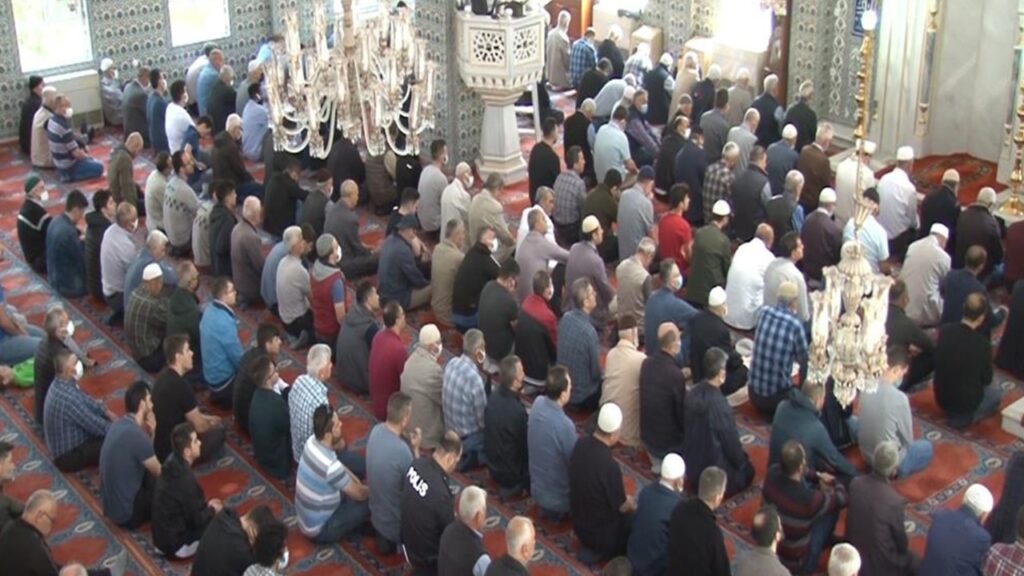
- In Islam, Friday (Jumu’ah) is the holiest day of the week. Muslims gather for communal prayers at noon, listen to sermons, and reflect on spiritual matters. The Qur’an even contains a chapter named “Al-Jumu’ah,” meaning “The Friday.”
- In Christianity, Friday is remembered as the day of Jesus Christ’s crucifixion, known as Good Friday. It is a solemn day of reflection, fasting, and prayer, observed before Easter Sunday.
- In Judaism, Friday evening marks the beginning of the Sabbath (Shabbat), a day of rest and worship lasting from sunset on Friday to sunset on Saturday. Families light candles, share meals, and refrain from work, emphasizing peace and spiritual renewal.
These traditions show how Friday bridges both work and worship—a day that transitions from effort to reflection, from labor to rest.
From a social and psychological perspective, Friday affects people’s mood and behavior. Studies in psychology and workplace research show that employees tend to feel happier, more relaxed, and more motivated on Fridays than on other weekdays. This phenomenon, sometimes called the “Friday effect,” reflects the anticipation of leisure time. The end of the workweek brings a mental sense of closure, helping people feel rewarded for their efforts. In popular culture, Friday evenings are often associated with going out, dining, socializing, or watching movies—all ways to unwind after a busy week.
In music, film, and literature, Friday frequently symbolizes freedom, youth, and fun. Famous songs such as “Friday I’m in Love” by The Cure and “Last Friday Night” by Katy Perry celebrate the excitement and carefree spirit of this day. Movies like Friday (1995) and Rebecca Black’s Friday (2011) use the day as a theme of relaxation, humor, or celebration. In literature, the name “Friday” even appears in Daniel Defoe’s Robinson Crusoe as the name of Crusoe’s loyal companion—suggesting friendship and trust.
In language and idioms, Friday appears in many common expressions:
- “Black Friday” – Refers to the Friday after Thanksgiving in the United States, marking the start of the holiday shopping season with major sales and discounts. The term originally described the chaos of crowded stores but has become synonymous with big savings and retail excitement.
- “Casual Friday” – A workplace custom allowing employees to dress less formally on Fridays, helping transition into the weekend mindset.
- “Friday night fever” – A phrase describing the enthusiasm and energy people feel when starting their weekend plans.
- “Thank God It’s Friday (TGIF)” – A celebration of relief and happiness at the end of the week.
Each of these phrases highlights how Friday has evolved beyond a mere day on the calendar into a symbol of emotional release and communal joy.
From an economic perspective, Friday has unique importance. In global business and finance, markets often close early or show reduced volatility toward the end of the week. Retailers and restaurants experience a surge in customers, as people celebrate the weekend. In many industries—like entertainment, hospitality, and travel—Friday marks the beginning of the busiest period, as people plan getaways or social activities.
In education, Friday is often a lighter day in schools and universities. Teachers may give quizzes, review lessons, or engage students with more relaxed activities before the weekend. For students, it represents freedom from classes, assignments, and early wake-ups, contributing to the excitement of the day.
From a psychological and spiritual standpoint, Friday carries a sense of balance. It represents transition—the moment between work and rest, productivity and leisure. People often reflect on what they’ve accomplished during the week and make plans for the days ahead. In this way, Friday serves as a natural pause point in human routines, helping create rhythm and stability in life.
Even in modern digital culture, Friday maintains its celebratory image. Social media platforms overflow with hashtags like #TGIF, #FridayVibes, and #FeelGoodFriday, where users share positive messages, music, and weekend plans. This global phenomenon reinforces the day’s reputation as one of happiness, freedom, and connection.
In summary, Friday is much more than one of the seven days of the week—it is a cultural and emotional milestone. It stands for the completion of hard work, the anticipation of joy, and the universal human need for rest and balance. Whether as a sacred day, a time to relax, or a reason to celebrate, Friday holds a special place in both calendar and spirit. Therefore, when we read the phrase “one of the days of the week,” the correct answer is Friday.

Benzer Konular
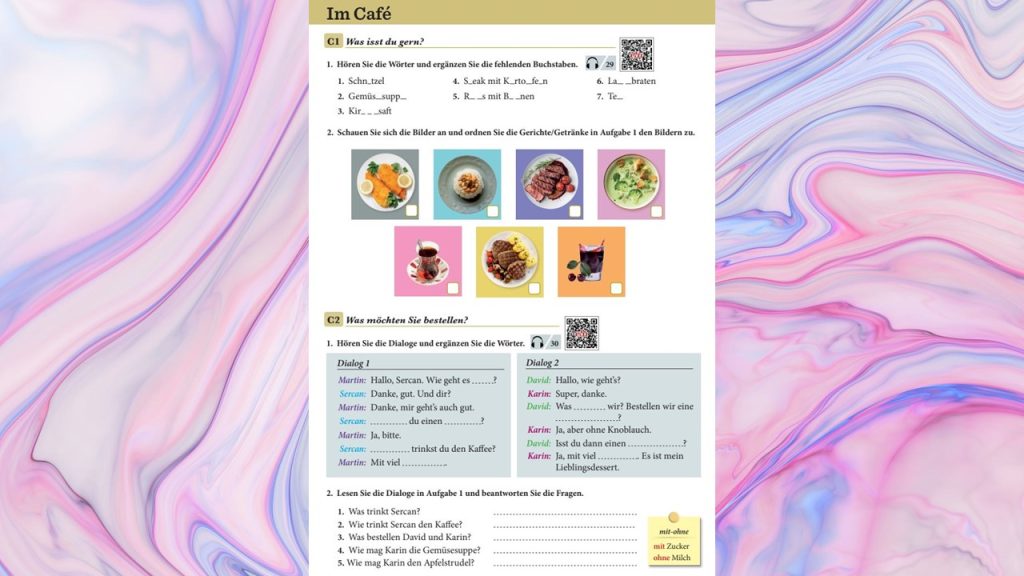
C1 Was isst du gern? – Ne yemeyi seversin? 1. Hören Sie die Wörter und ergänzen Sie die fehlenden Buchstaben. – Kelimeleri dinleyin ve eksik harfleri doldurun. 1. Schnitzel – Şinitzel2. Gemüsesuppe – Sebze çorbası3. Kirschsaft – Kiraz suyu4. Steak mit Kartoffeln – Patatesli biftek5. Reis mit Bohnen – Fasulyeli...

Barker’a göre aşağıdakilerden hangisi en önemli sosyal hizmet uygulama rollerinden biri değildir? a) Klinisyenb) İdarecic) Savunucud) Brokere) Bireyselleştirici Barker’a göre sosyal hizmet uygulamasında önemli roller arasında klinisyen (a), idareci (b), savunucu (c) ve broker (d) gibi roller bulunmaktadır. Ancak bireyselleştirici (e) bu temel roller arasında yer almaz. Bu nedenle “bireyselleştirici”...

Göz ile ilgili aşağıdakilerden hangisi yanlıştır? A) Sert tabaka kornea ve göz akından oluşur.B) Damar tabakada bulunan pigmentler fazla ışığı soğurur.C) Göz bebeği ışığın ikinci kırıldığı yerdir.D) İris, damar tabaka elemanıdır.E) Camsı sıvı hidrostatik iskelet görevi yapıp göze şekil verir. Neden C şıkkı yanlış? Diğer şıklar neden doğru? Ek Bilgiler:...
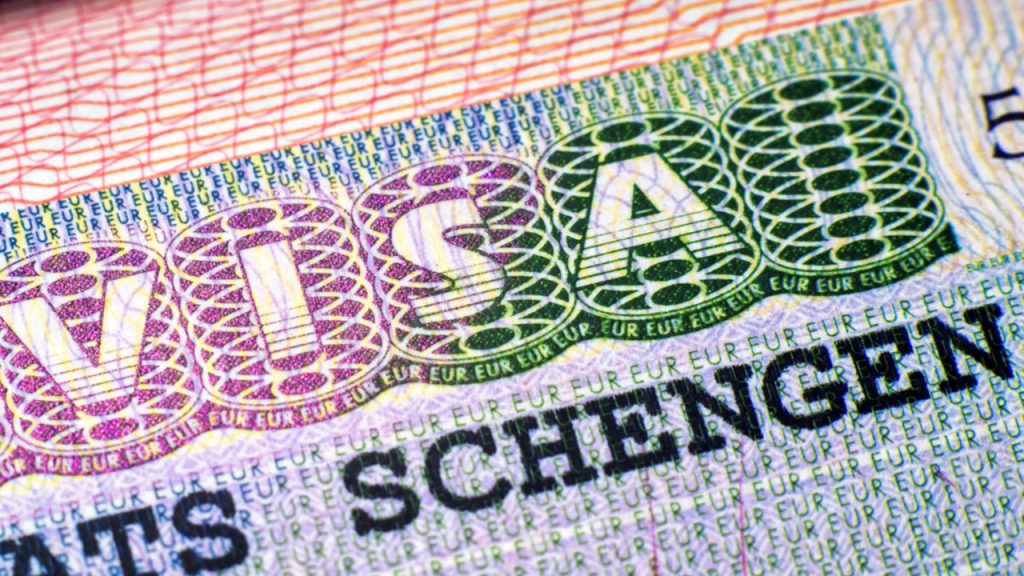
AB ve bazı katılımcı üye olmayan ülkeler arasındaki vize prosedürlerini belirleyen anlaşmaya Schengen Antlaşması denir. Bu antlaşma, 1985 yılında Lüksemburg’un Schengen kasabasında imzalanmıştır ve 1995 yılında yürürlüğe girmiştir. Antlaşma, 26 Avrupa ülkesini kapsar ve bu ülkeler arasında serbest dolaşım sağlar, yani vatandaşların bu ülkeler arasında vizesiz seyahat etmelerine olanak tanır....

İZMİR Merhaba minik dostlar! Bugün “Ege’nin incisi” diye bilinen İzmir’e geldim. Yere iner inmez bir şeyler atıştırmak için bölgenin meşhur gevrekçisine uğradım. Bu kelimeyi ilk defa duyuyorsanız ne demek olduğunu hemen söyleyeyim: “Simit”. Ardından ilk durağım Kordon boyu oldu. Burası İzmir’in en ünlü yerlerinden biri. Deniz kenarındaki palmiye ağaçları, güzel...

HazırlıkDaha önce trenle hiç seyahat ettiniz mi? Ettiyseniz yaşadıklarınızı anlatınız. Etmediyseniz trenle yolculuk yapmak isteyip istemeyeceğinizi nedenleriyle açıklayınız. Cevap: Daha önce tren yolculuğu yaptıysam, yolculuk çok keyifli geçti. Pencereden manzaraları izlemek güzeldi. Eğer yapmadıysam, tren yolculuğu yapmak isterim çünkü farklı şehirleri görmek ve uzun bir yolculuğu trenin rahatlığıyla geçirmek heyecan...
Bir Yorum Yazın
Ziyaretçi Yorumları - 0 Yorum