
What are the four ways which fire can spread?
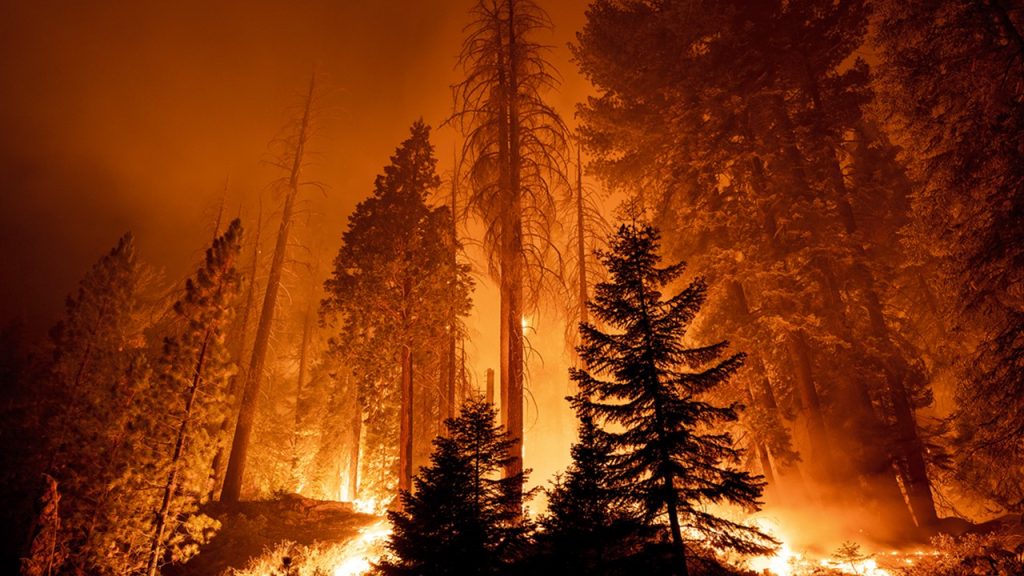
Fire can spread through several distinct processes that involve the movement of heat, gases, and flames. Understanding these methods is critical in both preventing and managing fires effectively. There are four primary ways fire can spread: conduction, convection, radiation, and direct flame contact. Each of these methods plays a role in the fire’s ability to grow and spread across materials, structures, and spaces.
1. Conduction: The Transfer of Heat Through Materials
Conduction is the process by which heat is transferred through a material without the material itself moving. When a substance is heated, its molecules vibrate more intensely, and the energy is passed on to adjacent molecules. This is what happens when heat travels through solid materials.
For example, when a piece of wood is set on fire, the part directly in contact with the flame will heat up. The heat will gradually move from the burned area to the cooler areas of the wood, spreading the fire. This can also occur with other materials, such as metals, concrete, or insulation. Even materials that seem nonflammable can conduct heat effectively and contribute to the spread of fire.
In buildings, heat conduction plays a major role in how fires spread through walls, floors, and ceilings. If a fire begins in one room, the heat may be transferred through the structure to adjacent rooms, setting those areas on fire. This is why fire-resistant materials are used in construction—materials like gypsum board, concrete, and fire-resistant glass are designed to slow the process of heat conduction, delaying the spread of the fire.
Example:
If a fire starts in a kitchen and spreads to the nearby wooden cabinetry, the heat from the flames will conduct through the wood, potentially setting other nearby items, such as curtains or paper, on fire.
2. Convection: The Movement of Heat Through Fluids
Convection involves the transfer of heat through fluids—either gases or liquids—by the movement of the fluid itself. In the case of fire, the primary fluid involved is air. As the fire heats the air, the hot air rises and displaces the cooler air, causing a circulation pattern that can carry heat and flames to new locations.
This mechanism is particularly important in large fires, such as wildfires, or in fires within buildings. In an enclosed space like a building, the hot air rises and forms what is known as a “hot layer” at the ceiling level. This hot layer of gases contains a significant amount of heat, which can cause fires to spread quickly as the air moves to other areas of the structure. The convection currents can also carry smoke, toxic gases, and embers, contributing to the rapid spread of the fire.
In the case of wildfires, convection is a crucial factor in how the fire moves across large distances. The fire heats the air near the ground, and this rising hot air can lift embers into the wind, causing them to land far away from the original fire and ignite new areas. Convection is also the reason why fires tend to spread upward and outward—fire spreads to the upper levels of structures and terrain through the convection of hot air.
Example:
In a forest fire, the rising hot air causes embers to be lifted and carried by the wind, which may lead to the ignition of nearby vegetation, spreading the fire further.
3. Radiation: The Transfer of Heat in the Form of Electromagnetic Waves
Radiation is the transfer of heat in the form of electromagnetic waves, including infrared radiation. Unlike conduction and convection, radiation does not require a medium (like a solid or fluid) to transfer heat. Instead, heat is emitted in the form of electromagnetic energy, which travels through space and can be absorbed by objects at a distance.
This is why people can feel heat from a fire even if they are not in direct contact with the flames. The fire radiates heat, and objects in the surrounding area absorb this radiation, which can lead to the ignition of nearby materials. In buildings, the radiation from a fire can cause flammable materials located at a distance from the fire to ignite. This process is particularly dangerous because it can cause fires to spread across barriers that might otherwise stop conduction or convection.
In wildfires, radiation is a key factor in how fires spread across landscapes. As the fire burns, it radiates heat across large distances, causing plants, trees, and other materials that were not directly in the path of the flames to catch fire. In extreme cases, radiation from a fire can ignite materials several hundred feet away from the original source of the fire.
Example:
In an industrial fire, radiation from the flames can cause nearby stacks of paper or plastic to ignite, even if they are not in direct contact with the fire.
4. Direct Flame Contact: The Physical Spread of Fire Through Ignition
Direct flame contact refers to the spread of fire through the physical movement of flames from one object or material to another. This method involves the flames themselves coming into contact with flammable materials, which then ignite and catch fire. Direct flame contact is the most immediate and visible form of fire spread, and it is often the first way a fire spreads in an uncontrolled environment.
In buildings, this is seen when a fire moves from one room to another through open doors or windows, or along the walls and ceilings. In wildfires, direct flame contact occurs when the flames move from one tree or bush to another, especially in dry conditions with strong winds. In both scenarios, the flames travel through the air and physically touch new fuels, causing them to ignite and continue the spread of the fire.
The spread of fire through direct flame contact can be accelerated by wind, which blows the flames to new areas, and by the presence of dry, highly flammable materials. In a building, combustible items like furniture, clothing, or paper can easily catch fire when exposed to direct flame contact, allowing the fire to spread quickly.
Example:
In a house fire, the flames might move from a couch to the curtains, and then from the curtains to nearby wood paneling, all through direct contact with the fire itself.
The spread of fire is a complex process that involves several methods of heat transfer. Conduction, convection, radiation, and direct flame contact each contribute in different ways to the spread of fire, and understanding these processes is crucial for fire prevention and control. By managing the materials and conditions that facilitate each of these processes, we can reduce the risk of a fire spreading uncontrollably. Fire safety measures such as firebreaks, fire-resistant materials, and proper ventilation can help mitigate the effects of these mechanisms and protect lives and property from the devastating impacts of fire.

Benzer Konular
Güvenli Yolu Buluyoruz Can evinden okula güvenli yoldan gitmek istiyor. Güvenli yolu bularak yeşile boyayınız.

Matematik, sadece okul sıralarında değil, günlük hayatımızın her alanında, hatta evimizde bile sıkça karşılaştığımız bir bilim dalıdır. İşte evde matematiği kullanabileceğimiz bazı örnekler: Mutfakta Matematik Ev işlerinde Matematik Diğer Alanlarda Matematik Sonuç olarak, matematik hayatımızın her alanında olduğu gibi evimizde de önemli bir yer tutar. Matematiği günlük hayatımızla ilişkilendirerek daha...

Aşağıdakilerden hangisi doğal unsurlardan biri olabilir? A) ÇimentoB) KağıtC) KömürD) KonutE) Köprü Doğal unsurlardan biri olan seçenek C) Kömür’dür. Diğer seçenekler neden yanlış: Doğal unsurların önemi: Doğal unsurlar, yaşamımız için vazgeçilmezdir. Hava, su, toprak gibi temel ihtiyaçlarımızın kaynağıdır. Ayrıca, ekosistemlerin dengesi için de büyük öneme sahiptirler. Doğal unsurları korumak, gelecek...
A. Aşağıdaki ifadelerden doğru olanların başına “D”, yanlış olanların başına “Y” yazınız. Dinamometre, bir yay sistemi kullanarak uygulanan kuvveti ölçen bir alettir. Dinamometredeki yay, uygulanan kuvvetle doğru orantılı olarak uzar. Bu nedenle, bir cisme uygulanan kuvvet arttıkça yaydaki uzama miktarı da artar. Ancak dinamometrenin ölçtüğü büyüklük kütle değil, kuvvettir ve...
Kağıda aşağıdaki işlemler yapıldığında kimyasal değişim gerçekleşir: 1. Yakma: Kağıt yandığında, selüloz molekülleri oksijenle tepkimeye girerek karbondioksit, su ve ısı üretir. Bu işlem geri döndürülemez ve yeni maddeler (kül ve gaz) oluşur. 2. Çürüme: Kağıt, mikroorganizmalar tarafından parçalanarak selülozu basit şekerlere dönüştürdüğünde çürür. Bu işlem de geri döndürülemez ve yeni...

Aşağıdakilerden hangisi ihtiyaç değildir? A) suB) çikolataC) pirinç İhtiyaç, insanın yaşaması için mutlaka gereken şeylerdir. Mesela, su içmemiz gerekiyor çünkü su vücudumuzun çalışması için çok önemli. Eğer su içmezsek, susuz kalırız ve hasta olabiliriz. Su, vücudumuzdaki her hücrenin çalışmasına yardım eder. Pirinç de bir ihtiyaçtır çünkü pirinç yiyeceğimiz bir şeydir....
Bir Yorum Yazın
Ziyaretçi Yorumları - 0 Yorum