
What three elements are required for a fire to burn and be sustained?
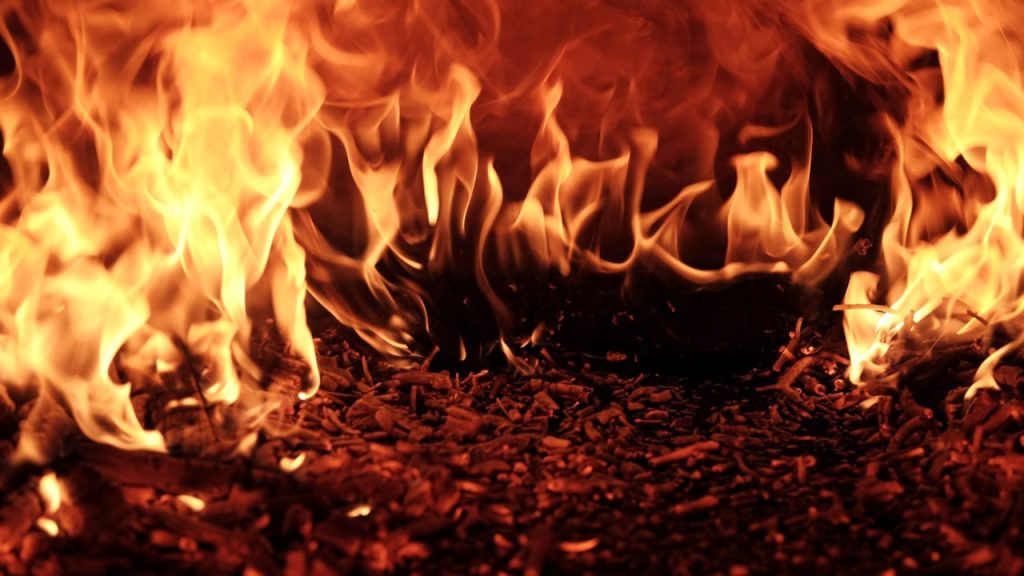
A fire, as we commonly understand it, is a process of combustion, which is a chemical reaction between a fuel and oxygen that produces heat, light, and various byproducts such as carbon dioxide and water vapor. For a fire to ignite and sustain itself, three elements must be present: heat, fuel, and oxygen. These three elements are often referred to as the “fire triangle.” Without any one of these elements, the fire cannot start or will extinguish if it is already burning. Let’s explore each of these elements in detail.
1. Heat (Temperature)
Heat is the initial energy required to start a fire and is crucial in maintaining the combustion process. At a basic level, heat causes the fuel to reach its ignition temperature, which is the minimum temperature at which the fuel will spontaneously combust. The heat provides the energy needed to overcome the activation energy barrier of the combustion reaction.
For most materials, this ignition temperature can vary. For example, paper will ignite at a lower temperature than a piece of wood. Once a material reaches its ignition temperature, the chemical reaction between the fuel and oxygen becomes self-sustaining, releasing more heat and energy. This process is exothermic, meaning it generates heat, which in turn helps to maintain the fire. If the temperature falls below the ignition point, the fire will go out, as the combustion reaction will cease.
The heat in a fire is also responsible for the creation of the visible flames. These flames are a result of the energy released from the combustion of gases and volatile compounds that vaporize from the fuel. As these gases burn, they emit light, which is what we see as flames. The flames are a visible manifestation of the heat produced by the combustion process. The color and intensity of flames can vary depending on the temperature and the substances being burned. For instance, a hotter fire might produce blue or white flames, while a cooler fire might have yellow or orange flames.
Heat also plays a crucial role in drying out the fuel and increasing its flammability. In the case of wood, for example, heat helps to drive off moisture from the wood fibers, making it more combustible. Without enough heat to remove the moisture, the fire will not burn efficiently.
2. Fuel (Combustible Material)
Fuel is any material that can undergo combustion, releasing energy in the form of heat. It provides the necessary substance for the fire to consume and sustain itself. Fuel can take many forms, including solid materials like wood, paper, and coal; liquids such as gasoline or oil; and gases like propane or natural gas. The key characteristic of fuel is that it contains carbon-based compounds that can react with oxygen.
The type of fuel used in a fire can significantly influence the nature of the fire. For example, wood is a common fuel used in campfires and fireplaces, while gasoline is often used in engines or as a flammable liquid in certain types of fires. The availability and type of fuel determine how long a fire will burn and how intense it will be.
In the case of solid fuels, such as wood or coal, the fire needs to heat the material enough to break down the chemical bonds in the fuel, releasing volatile gases. These gases then react with oxygen to create combustion. The remaining carbon from the fuel will continue to burn as charcoal or ash.
Different fuels burn in different ways, depending on their chemical composition. For example, natural gas burns cleaner than coal because it produces fewer pollutants when combusted. Gasoline, while highly flammable and quick to ignite, burns faster and hotter than wood but may not provide the same steady heat once ignited.
The amount of fuel available is another important consideration. If there is too little fuel, the fire may burn out quickly, while an abundance of fuel can result in a larger, more sustained fire. The availability of fuel can influence the fire’s spread as well. In wildfires, for example, the abundance of dry vegetation can fuel the fire, allowing it to spread rapidly across large areas.
3. Oxygen (Air)
Oxygen is one of the most critical components of the fire triangle. It is the element that reacts chemically with the fuel during combustion. The reaction between fuel and oxygen creates heat and light, which we recognize as fire. Oxygen is typically present in the air in concentrations of around 21%, which is sufficient to sustain most fires.
The combustion process is a chemical reaction known as oxidation. During combustion, the fuel combines with oxygen molecules in the air, releasing energy. In this reaction, oxygen atoms bond with carbon atoms in the fuel, forming carbon dioxide (CO2) and water vapor (H2O). For this process to continue, a sufficient amount of oxygen must be available to keep the reaction going. If the oxygen supply is restricted, the fire will slow down or extinguish entirely.
Oxygen plays a crucial role in determining the intensity and efficiency of the fire. A fire burning in a well-ventilated area, with plenty of oxygen, will burn hotter and more intensely. In contrast, a fire with limited oxygen, such as one in a confined space or smoldering with a lack of airflow, will burn more slowly and may produce a lot of smoke. This is because incomplete combustion occurs when there is insufficient oxygen, leading to the formation of carbon monoxide (CO) and other harmful byproducts.
In some cases, oxygen levels can be artificially increased or decreased to control a fire. For instance, in a laboratory or industrial setting, oxygen-rich environments may be used to accelerate combustion for specific purposes, such as welding or cutting metals. On the other hand, in firefighting, reducing the oxygen supply is one of the primary methods for extinguishing a fire. This can be achieved by smothering the fire with water, foam, or other substances that limit the oxygen available.
The Fire Triangle and its Importance
The fire triangle is an essential concept in fire safety, as it helps us understand the factors that contribute to a fire’s ignition and spread. By eliminating one of the three elements—heat, fuel, or oxygen—a fire can be extinguished or prevented from starting in the first place. For example:
- Eliminating heat: Removing heat can be done by cooling the fire with water or fire extinguishers. This reduces the temperature below the ignition point, stopping the combustion process.
- Eliminating fuel: Removing the fuel, such as cutting off access to flammable materials, can stop a fire from continuing or starting.
- Eliminating oxygen: This can be achieved by smothering a fire with substances that block the flow of air, such as blankets, foam, or even dirt.
Understanding the fire triangle is crucial for both preventing fires and effectively responding to them when they occur. It also helps in understanding how different types of fires behave and how to best contain or extinguish them.
In summary, the three essential elements required for a fire to burn and be sustained are heat, fuel, and oxygen. These elements are interconnected and work together to create the combustion process. Heat provides the energy necessary to start and maintain the reaction, fuel offers the material that burns, and oxygen allows the chemical reaction to take place. By understanding these elements, we can better control fires, whether for beneficial purposes like cooking or energy production, or for safety reasons like firefighting and prevention.

Benzer Konular

6. Tablodaki kelimeler hecelerine doğru ayrılmışsa bulunduğu kutucuğa “D”, yanlış ayrılmışsa “Y” yazılacaktır. ü – re – timseb – ze – lertük – e – tim Buna göre kutucukların görünümü nasıl olur? A. D – D – YB. D – D – DC. Y – D – D Cevap: A...

Bir kişinin kendi isteği dışında özgürlüğünden yoksun bırakılması, hareket etme ve karar verme hakkının başka bir güç tarafından sınırlandırılması, dilde tek bir kavramla karşılık bulur. Bu durum genellikle savaş, çatışma, zorla alıkoyma ya da hukuki olmayan baskı koşullarıyla ilişkilendirilir ve bireyin fiziksel olduğu kadar psikolojik özgürlüğünü de kapsar. Günlük kullanımda...

Kendimizi Değerlendirelim Konuşmamızı verilen kurallara göre değerlendirelim. Uyguladığımız kuralları işaretleyelim. Konuşmaya selamlama ve hitap ifadeleriyle başladım. (X)Konuşma esnasında beden dilimi doğru kullandım. (X)Konuşmayı mimiklerimle destekledim. (X)Konuşmayı işitilebilir bir ses tonuyla yaptım. (X)Konuşmada sözcükleri yerinde ve anlamına uygun kullandım. (X) Yardımseverlikle ilgili duyduğumuz veya yaşadığımız bir olayı arkadaşlarımızla paylaşalım. Öğrendiğimiz konuşma...

Halat Çekme Bir okulun düzenlediği spor şenliğinde halat çekme oyunu oynanacaktır. Oyunun adil olması için iki takımın toplam kütlelerinin eşit olması kuralı getirilmiştir. Bu eşitliğin kontrol edilebilmesi ve oyuncu değişikliklerinde bozulmaması için de her oyuncunun kütlesi oyundan önce tartılarak kıyafetine yapıştırılmıştır. 5/A sınıfının takımındaki öğrencilerin kütleleri 42, 35, 32, 54...

Sevgili öğrenciler, Türkçe, dünyanın en köklü ve en zengin dillerinden biridir. Atalarımızdan miras kalan bu dil, sadece bir iletişim aracı değil; aynı zamanda kültürümüzü, tarihimizde yaşanmış olayları, gelenek ve göreneklerimizi, şarkılarımızı, masallarımızı ve türkülerimizi gelecek nesillere aktaran en değerli hazinemizdir. Türk kültürü, binlerce yıllık bir geçmişe sahiptir. Misafirperverlik, saygı, dayanışma,...

Karar Alma Süreçlerine Katılıyoruz A. Aşağıdaki ifadelerin başına ifadeler doğruysa “D”, yanlışsa “Y” yazalım. Sınıfta uyulması gereken kuralları hep birlikte belirlemeliyiz.Cevap: DAçıklama: Sınıf kuralları ortak kararla belirlenmelidir. Karar alırken her düşünceye saygı duymalıyız.Cevap: DAçıklama: Farklı düşüncelere saygı duymak demokratik bir davranıştır. Ortak kararları benimsemiyorsak onlara uymayabiliriz.Cevap: YAçıklama: Ortak alınan kararlara...
Bir Yorum Yazın
Ziyaretçi Yorumları - 0 Yorum