
Distinctive flag

Throughout history, people and nations have used special pieces of cloth to represent their identity, beliefs, or achievements. These flags are often colorful, decorated with unique symbols, and displayed during ceremonies, celebrations, or battles. Unlike ordinary flags, some are created to stand out more vividly, representing pride, victory, or leadership. This kind of distinctive flag—one that symbolizes a particular group, cause, or event—is called a banner.
The word “banner” refers to a distinctive flag or piece of cloth bearing symbols, designs, or words, used to represent a group, country, organization, or idea. It is more than just a flag—it is a symbol of identity, honor, and communication. Banners have been used for thousands of years, from ancient battlefields to modern advertising, and they continue to carry strong emotional, cultural, and visual significance.
From a linguistic and etymological perspective, the term banner originates from the Old French word banere and the Late Latin bandum, meaning “flag” or “standard.” The same root also gave rise to the English word band, which reflects the idea of something stretched or joined together. The pronunciation of banner is /ˈbæn.ər/ in British English and /ˈbæn.ɚ/ in American English. It is a countable noun, meaning you can say “a banner” or “many banners.” The adjective form, banner, can also describe something outstanding—such as in the expression “a banner year,” meaning a very successful year.
In historical contexts, banners played a vital role in warfare and governance. In ancient times, armies used banners to identify units, mark territories, and signal movements. For example:
- Roman legions carried standards—decorated poles topped with symbols like eagles—to represent their units.
- Medieval knights and lords displayed banners bearing their coats of arms, which helped allies recognize them during battle.
- During the Crusades, Christian armies marched under the banner of the cross, symbolizing faith and unity.
In these cases, banners were not only functional but also deeply symbolic, representing loyalty, courage, and heritage. To fight “under a banner” meant to serve a cause or leader with devotion.
From a religious and ceremonial perspective, banners have long been used in places of worship and celebration. In Christianity, church processions often include banners depicting saints, angels, or sacred symbols. In Buddhism, colorful prayer banners and flags are hung to spread peace and blessings. In Hindu temples, ceremonial banners are raised during festivals to honor deities. These uses demonstrate how banners connect spiritual belief with visual expression, communicating faith through art.
In modern times, the banner has evolved beyond battlefields and temples into everyday life. Today, banners are used in:
- Sports – Teams and fans wave banners to show pride and support, often displaying team names, slogans, and colors.
- Politics and protest – Demonstrators hold banners to express opinions, demands, or calls for justice.
- Advertising – Businesses use banners to promote products or events, both in physical spaces and online.
- Celebrations – Banners decorate weddings, parades, and festivals with messages like “Congratulations” or “Happy Birthday.”
Thus, the banner has transformed into a universal tool for communication—visual, emotional, and persuasive.
From a symbolic standpoint, banners represent unity, identity, and expression. A banner gathers people under a shared purpose, whether that purpose is military, religious, cultural, or commercial. To “rally under a banner” means to unite behind a common cause. Similarly, the phrase “carry the banner for” someone or something means to support or defend it with passion. These idiomatic uses reflect how deeply the idea of the banner is tied to loyalty and pride.
In art and design, banners are powerful visual elements. The combination of color, text, and shape makes them effective in drawing attention. Historically, banners were hand-painted on fabric or embroidered with gold and silk threads. Today, they are often printed on vinyl or displayed digitally, yet the purpose remains the same—to convey a clear, memorable message. Graphic designers use banners in websites, advertisements, and social media to promote ideas and brands. The phrase “web banner” refers to an online rectangular image or message placed on a website to attract attention or encourage a click.
From a cultural and linguistic point of view, the banner appears in numerous idiomatic and literary expressions:
- “Under the banner of” – Acting in the name of a cause, organization, or belief (e.g., They marched under the banner of freedom).
- “Raise the banner” – To start or support a movement or cause (e.g., The group raised the banner of equality).
- “A banner year” – A year of great success or achievement.
- “Carry the banner” – To represent or advocate passionately for something.
These idioms demonstrate how the concept of the banner extends far beyond the literal flag—it symbolizes leadership, unity, and purpose.
From a psychological perspective, banners serve as visual motivators. They evoke emotional reactions because they represent belonging and pride. Seeing a familiar banner—such as a national flag or a team emblem—can stir feelings of loyalty, identity, and courage. This is why banners are prominently displayed at sporting events, political rallies, and national celebrations. They are not merely decorations; they are emotional and cultural connectors.
In literature and history, banners often symbolize honor, resistance, or faith. In medieval romances and epic poems, knights carried banners with their family crests, representing lineage and valor. In modern times, banners appear in revolutionary movements as symbols of freedom and justice. For example, during the French Revolution, citizens marched under the tricolor banner of liberty, equality, and fraternity—a symbol that still represents France today. In the American Civil Rights Movement, banners bore words of hope and equality, uniting people across races and generations.
In the digital age, the word banner has expanded in meaning. Online, a “banner ad” refers to a rectangular graphic that promotes a product, service, or message on a website. Even though this usage is technological, it still draws from the original meaning—a visual flag that announces or represents something important.
From an aesthetic perspective, the banner’s design is crucial. The colors, symbols, and patterns used in banners are chosen carefully to communicate identity. For example, national banners (flags) often use specific colors to represent core values:
- Red may symbolize courage or sacrifice.
- Blue often stands for freedom or peace.
- White can symbolize purity or truth.
These color meanings make banners powerful tools of communication without words.
To summarize, the term banner encompasses far more than just “a distinctive flag.” It represents centuries of history, art, and symbolism. From medieval battlefields to modern digital screens, banners have served as emblems of identity, tools of communication, and expressions of pride. Whether fluttering on a castle tower, carried through a protest march, or displayed on a website, the banner continues to unite people under shared causes and inspire emotion through color, design, and meaning. Therefore, when we read the phrase “distinctive flag,” the correct answer is Banner.

Benzer Konular

Gelin şimdi çocuk olarak hangi haklara sahip olduğunuzu arkadaşlarınızın çalışmalarından öğrenelim. Merhaba, ben Ayşe. Arkadaşım Uras, Esma ve Çınar sahip olduğumuz hakları araştırdık. Çocuk Haklarına Dair Sözleşme’de yer alan maddelerden bazılarını görsellerle destekledik. Altlarına da gerekli açıklamaları yazarak sınıfta arkadaşlarımıza sunduk. İşte çalışmamızdan bazı bölümler: Taraf devletler, her çocuğun temel...

Havasız ortamda yanma, normalde düşündüğümüz oksijenle gerçekleşen yanma olayından farklı bir süreçtir. Bu tür yanmalar genellikle kimyasal reaksiyonların enerjisiyle desteklenir ve genellikle patlayıcı veya piroteknik maddelerle ilişkilidir. Havasız Ortamda Yanabilen Maddeler: Havasız Ortamda Yanmanın Özellikleri: Önemli Notlar: Sonuç: Havasız ortamda yanabilen maddeler, günlük hayatta karşılaştığımızdan farklı özelliklere sahip olan ve...

“Sıra bildiren sayıları yazarken sayının sağ alt yanına nokta konur.” cümlesindeki altı çizili sözcük kaç heceden oluşmaktadır? Altı çizili sözcüğün doğru yazımı “yazarken”dir. Bu sözcük Türkçedeki ekli fiillerden biri olup, “yaz” fiilinden türetilmiştir. “Yazarken” kelimesi, “-ken” ekinin “-mek” mastar ekine eklenerek fiilin bir zaman diliminde gerçekleştirilmesi anlamına gelen bir yapıdır....

Aşağıdaki cümleleri verilen ifadelerden uygun olan ile tamamlayınız. uyumtesadüfyaratıcıdevam Cevap: Evrendeki düzen Allah’ın (cc) varlığının ve birliğinin kanıtıdır. Çünkü a) evrende her şey birbiriyle uyum içindedir.b) evrenin düzeni hiç aksamadan devam etmektedir.c) evrendeki düzen tesadüf olamayacak kadar mükemmeldir. Uyum: Bir şeyin, bir durumun ya da parçaların birbirleriyle dengeli ve ahenkli...

Esmayıhüsnadan şarkıda bahsedilmeyen ancak sizin bildiğiniz birkaç örnek yazınız. Esmaül Hüsna, Allah’ın güzel isimleri anlamına gelir ve Kur’an-ı Kerim ile hadislerde geçen, Allah’ın sıfatlarını ve yüceliğini ifade eden isimlerdir. Bu isimler, Allah’ın varlığını, gücünü, merhametini, bilgeliğini ve adaletini anlamamıza yardımcı olur. Her bir isim, O’nun farklı bir özelliğini yansıtır ve...
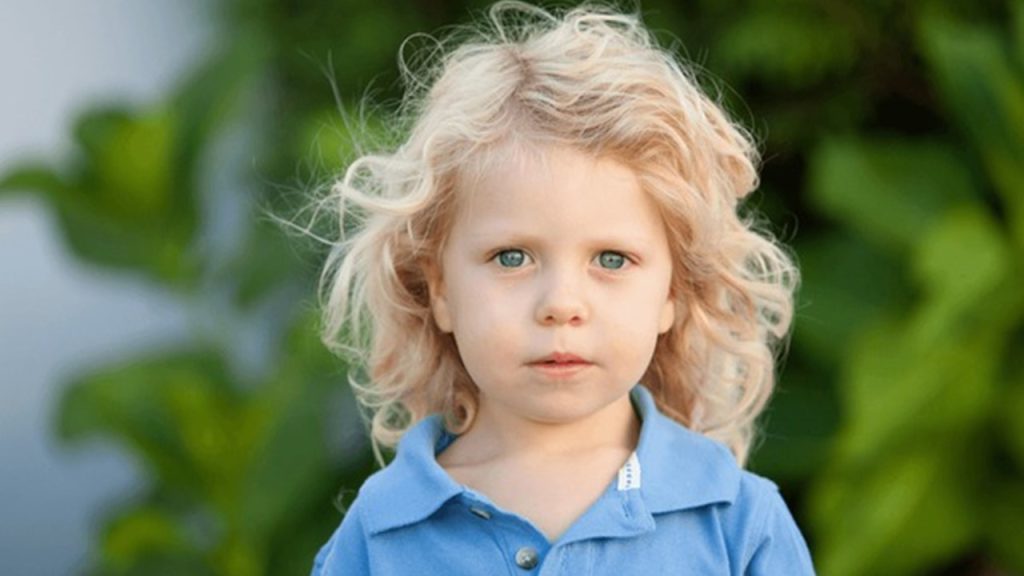
Benim adım Melek. Sarı saçlı, mavi gözlüyüm. Sınıfın en uzun boylusu benim. 22 kiloyum. Melek’in açıklamalarına göre Melek hangi özelliklerinden bahsetmektedir? A) FizikselB) DuygusalC) İlgi alanları Melek, açıklamalarında fiziksel özelliklerinden bahsetmektedir. Fiziksel özellikler, bir kişinin dış görünüşüne, beden yapısına ve fiziksel durumuna dair özelliklerdir. Melek’in verdiği bilgilerde, saç rengi, göz...
Bir Yorum Yazın
Ziyaretçi Yorumları - 0 Yorum