
Movements that take the body from one point to another.

Movements that take the body from one point to another, often referred to as locomotor movements, are fundamental to human motion and essential for everyday activities. These movements involve the transfer of the body’s center of gravity through space, utilizing different patterns and mechanisms. Locomotor movements are critical not only in physical development and athletic performance but also in understanding human biomechanics, rehabilitation, and even robotics.
Types of Locomotor Movements
Locomotor movements can be classified into various types, including walking, running, jumping, leaping, hopping, skipping, galloping, and sliding. Each movement has unique characteristics, benefits, and underlying biomechanics.
1. Walking
Walking is the most basic form of locomotion, characterized by a repetitive pattern of alternating limb movements. It is a bipedal gait involving one foot always being in contact with the ground, ensuring stability. Walking is highly efficient and serves as the foundation for more complex movements. Biomechanically, walking involves phases such as heel strike, mid-stance, and toe-off. It engages the muscles of the lower body, including the quadriceps, hamstrings, and calves, while also requiring core stability.
2. Running
Running is a more dynamic form of locomotion, where there is a phase during which both feet are off the ground (flight phase). This movement is faster and more energy-intensive than walking, requiring greater coordination, strength, and endurance. Key muscles engaged include the gluteals, quadriceps, hamstrings, calves, and hip flexors. Running places higher demands on the cardiovascular and respiratory systems, making it an excellent aerobic exercise.
3. Jumping
Jumping involves propelling the body upward or forward by exerting force against the ground. It requires explosive power and coordination, primarily engaging the quadriceps, gluteals, and calf muscles. Jumping can take many forms, such as vertical jumps, broad jumps, and plyometric movements, and is integral in many sports and activities.
4. Leaping
Leaping is similar to jumping but typically involves taking off from one foot and landing on the opposite foot. This movement is common in activities such as dance, gymnastics, and parkour. Leaping requires strength, balance, and flexibility, as it combines elements of running and jumping.
5. Hopping
Hopping involves taking off and landing on the same foot. This movement requires balance, stability, and muscular endurance, particularly in the lower extremities. Hopping is often used in agility training and is fundamental to many childhood games.
6. Skipping
Skipping combines a step and a hop in a rhythmic, alternating pattern. It is often associated with play and childhood activities but also serves as a useful exercise for coordination, rhythm, and cardiovascular fitness.
7. Galloping
Galloping is an asymmetrical movement where one foot leads while the other follows in a step-together pattern. Common in early childhood development and certain dance forms, galloping emphasizes coordination and lower body strength.
8. Sliding
Sliding involves a lateral step-together movement, where one foot leads while the other follows in a side-to-side pattern. This movement is frequently used in sports like basketball and tennis for quick changes in direction.
Biomechanics of Locomotor Movements
The biomechanics of locomotor movements involve a combination of muscle activation, joint articulation, and neural coordination. These movements rely on the skeletal system for structural support, the muscular system for force generation, and the nervous system for control and feedback.
Energy Efficiency
Efficient locomotion minimizes energy expenditure. For example, walking utilizes a pendulum-like mechanism where the body conserves energy through the exchange of kinetic and potential energy. In contrast, running employs a spring-like mechanism involving elastic energy stored and released by tendons.
Ground Reaction Forces
Ground reaction forces (GRFs) play a significant role in locomotor movements. During walking and running, the body exerts force against the ground, which is met with an equal and opposite reaction force. Managing these forces is critical to maintaining balance and preventing injuries.
Center of Gravity
The center of gravity shifts dynamically during locomotion. For stability, the center of gravity must remain within the base of support during walking and running. In jumping and leaping, the trajectory of the center of gravity determines the movement’s height and distance.
Developmental and Functional Aspects
Childhood Development
Locomotor movements are crucial in childhood development, promoting physical fitness, motor skills, and social interaction. Activities like running, skipping, and hopping enhance coordination, strength, and endurance, laying the foundation for lifelong physical activity.
Rehabilitation
In rehabilitation, locomotor movements are essential for restoring mobility and function. Techniques such as gait training, aquatic therapy, and balance exercises help individuals recover from injuries or surgeries. Understanding the biomechanics of locomotion aids in designing effective rehabilitation programs.
Athletic Performance
In sports, mastering locomotor movements enhances performance and reduces injury risk. Athletes often train specific movements, such as sprinting or jumping, to optimize their biomechanics and energy efficiency. Plyometric exercises, for instance, improve explosive power and agility.
Locomotion in Different Contexts
Urban and Natural Environments
In urban environments, walking and running are common forms of locomotion, often integrated into commuting or exercise routines. In natural settings, movements like hiking and trail running adapt to varied terrains, requiring additional balance and coordination.
Special Populations
For individuals with mobility impairments, alternative locomotor methods, such as wheelchair propulsion or prosthetic-assisted walking, are vital. Adaptive technologies and rehabilitation strategies continue to advance, enhancing mobility and quality of life.
Locomotor movements are fundamental to human motion, encompassing a wide range of activities that enable the body to move from one point to another. These movements are deeply intertwined with biomechanics, physical development, and functional mobility. By understanding and training these movements, individuals can improve their physical fitness, recover from injuries, and enhance athletic performance. Whether in everyday life, sports, or rehabilitation, locomotor movements remain a cornerstone of human activity and well-being.

Benzer Konular

Hidrojen atomu, evrendeki en basit atom olduğu için çekirdeği de en küçük olanıdır. Hidrojen atom çekirdeğinin çapı yaklaşık olarak 1.7 femtometre (fm) veya 1.7 x 10^-15 metredir. Bu, metrenin katrilyonda biri kadar küçük bir boyuttur. Karşılaştırma yapmak gerekirse: Neden bu kadar küçük? Özetle: Hidrojen atomu çekirdeği, evrendeki en küçük boyutlu...

Bu sayfada soru yada etkinlik yoktur. Kitabın 2. ünitesi evimizde hayat ve 3. ünitesi sağlıklı hayat içinde bulunan konulara yer verilmiştir. 2. ÜNİTE: EVİMİZDE HAYAT ………………………………………………………. 65 Hazırlanalım, Dinleyelim………………………………………………………………………..66İşte Benim Ailem…………………………………………………………………………………….67Ailem Benim İçin Çok Önemli! ……………………………………………………………70Evim Nerede? …………………………………………………………………………………………73Nasıl Söylesem?………………………………………………………………………………………76Tükenmesin! …………………………………………………………………………………………….78Planıma Uyarım! ……………………………………………………………………………………..81İstek ve İhtiyaçlarımız……………………………………………………………………………..862. Ünite Sonu Değerlendirmesi…………………………………………………88 3. ÜNİTE: SAĞLIKLI...
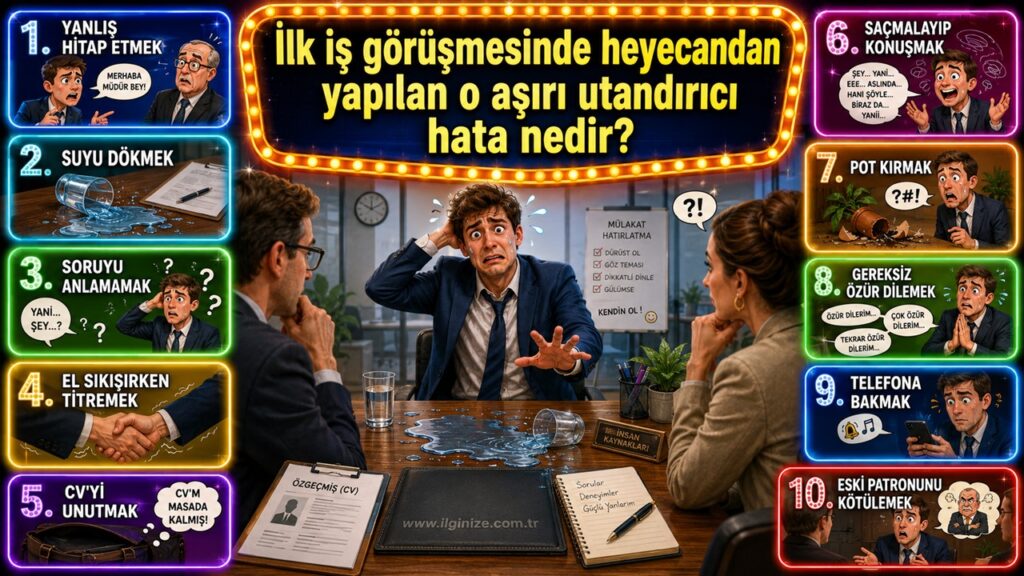
İlk iş görüşmesi, insanın hem kendini iyi göstermeye çalıştığı hem de heyecanını kontrol etmekte zorlandığı en stresli anlardan biridir. Görüşme odasına girerken duruş, ses tonu, göz teması, konuşma şekli ve verilen cevaplar bir anda çok önemliymiş gibi hissedilir. Aday kendini düzgün ifade etmek isterken bazen fazla gerilir, basit bir hareketi...

Uyku Sağlıklı büyüyüp gelişebilmek için düzenli uykuya ihtiyaç duyarız. Akşamları erken uyuyup sabah erken uyanmaya özen gösteririz. Kişisel Bakım Ellerimizi yıkamak, banyo yapmak, dişlerimizi fırçalamak ve tırnaklarımızı kesmek kişisel bakımımız için gereklidir. Kişisel bakımımızı düzenli yaparsak hastalıklardan korunabiliriz. Temizlik Okul, sınıf, ev gibi yaşadığımız ortamları temiz tutmaya özen gösteririz. Yerlere...

Bilgi Açıklama Sınıf 2. Sınıf Ders İngilizce Yayınevi Kurmay ELT Sayfa 2 Bölüm Theme 1 – Hello, School Time – Week 1 Konu Okuldaki yerler, kelime-görsel eşleştirme ve “This is / That is” kalıpları Week 1 İngilizcesi: Week 1Okunuşu: Viik VanTürkçesi: 1. Hafta Sub-theme – People and Places at School...
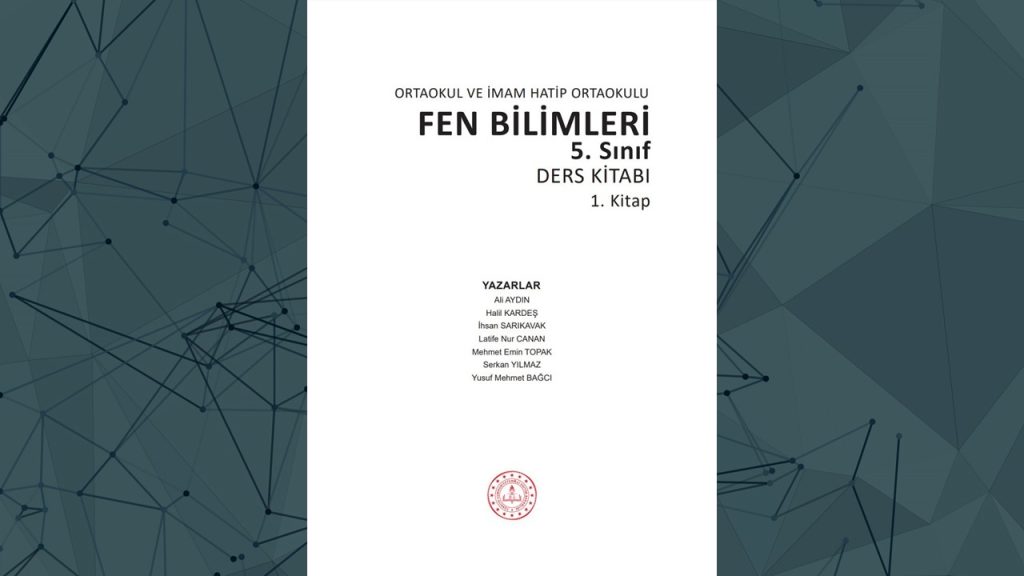
ORTAOKUL VE İMAM HATİP ORTAOKULU FEN BİLİMLERİ 5. SINIF DERS KİTABI 1. KİTAP YAZARLARAli AYDINHalil KARDEŞİhsan SARIKAVAKLatife Nur CANANMehmet Emin TOPAKSerkan YILMAZYusuf Mehmet BAĞCI Milli Eğitim Bakanlığı Devlet Kitapları
Bir Yorum Yazın
Ziyaretçi Yorumları - 0 Yorum